
Living in South Korea can feel exciting for many foreigners. The food, transportation, and modern cities make the country one of Asia’s most comfortable places to live. But one aspect of daily life that often surprises newcomers is apartment living etiquette.
South Korea has one of the highest rates of apartment living in the world. According to data from the Korean Statistical Information Service, more than 60% of households live in apartments.
That means millions of people share walls, ceilings, and floors every day. Because of this dense housing environment, social expectations around noise have become very specific.
Understanding Korean apartment noise culture is important if you plan to live, study, or work in Korea. Many conflicts between neighbors actually stem from misunderstandings about everyday sounds, such as walking, exercising, or moving furniture.
Understanding Korean Apartment Noise Culture in Daily Life
Before looking at specific trends, it helps to understand the broader context behind Korean apartment noise culture.
Most apartment buildings in Korea are built with reinforced concrete structures. While this makes buildings durable, it also means that certain sounds travel easily through floors. Footsteps, dropped objects, and children running can echo into lower units.
Because of this, Korea has experienced long-standing issues with what locals call “층간소음” (cheung-gan so-eum), which translates to inter-floor noise. This term specifically refers to noise transmitted between floors in apartment buildings.
The issue has become serious enough that the Korean government and housing organizations have implemented guidelines and mediation services. In fact, the government even operates an official dispute center to handle noise complaints from apartment residents.
As a result of these challenges, a unique set of behavioral norms has developed around apartment living.
Foreign residents who understand these expectations early on usually find it easier to avoid awkward interactions with neighbors.
Here are the five most common trends shaping Korean apartment noise culture today.
1. Walking Softly Is a Real Social Expectation
One of the first things foreigners notice is how seriously Koreans treat heavy footsteps.
In many countries, walking normally inside an apartment is not considered a problem. In Korea, however, heavy footsteps can quickly become a source of complaints.
This is because impact sounds travel directly through concrete floors.
Instead of normal walking, many Korean households practice what locals jokingly call “penguin walking”, meaning walking softly and gently across the floor.
Parents often teach children from a young age not to run indoors.
Several common habits reflect this awareness:
- Wearing indoor slippers designed to reduce impact
- Avoiding stomping or jumping inside the house
- Asking children to walk instead of running
- Using floor mats to absorb sound
Large foam mats are extremely popular in homes with children. These mats can cover entire living rooms and are specifically marketed as noise-reducing floor padding.
Foreigners who move into Korean apartments sometimes learn this rule quickly when neighbors mention loud footsteps.
While it may feel unusual at first, walking lightly is simply part of adapting to Korean apartment noise culture and respecting shared living spaces.
2. Quiet Hours Are Informal but Widely Respected
Unlike some Western countries that enforce strict legal quiet hours, Korea often relies on social expectations rather than hard rules.
However, most residents still follow a common understanding of noise timing.
Generally, the quietest hours in apartment buildings are:
• Late evening (after 10 PM)
• Early morning (before 7 AM)
During these hours, people usually avoid activities that create heavy noise.
For example:
- Vacuuming
- Moving furniture
- Running exercise machines
- Playing loud music
Even dropping objects or doing home workouts late at night can lead to complaints.
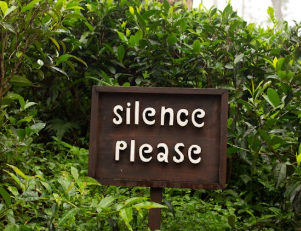
Many apartment communities also post polite reminder signs in elevators or any common areas about keeping noise down during nighttime hours.
This shared awareness is a major part of Korean apartment noise culture. It reflects the idea that neighbors should proactively avoid disturbing others, even if the noise technically isn’t illegal.
Foreign residents who follow these unwritten quiet hours often integrate more smoothly into apartment communities.
3. Apartment Noise Complaints Are Surprisingly Common
Another trend that surprises foreigners is how frequently apartment noise complaints occur in Korea. Because so many people live in high-density housing, noise disputes have become a national issue.
According to the Ministry of Environment, thousands of noise complaints from apartment residents are filed each year nationwide.
Many complaints involve sounds such as:
- Children running or jumping
- Furniture dragging
- Loud footsteps
- Exercise equipment
These conflicts can sometimes escalate if neighbors feel ignored.
To address this issue, Korea introduced official mediation systems that allow residents to report persistent noise problems. For example, the Inter-Floor Noise Dispute Center provides consultation and conflict mediation services.
Because of these frequent disputes, many residents are extremely aware of how their actions affect neighbors. For foreigners, this highlights how sensitive Korean apartment noise culture can be compared to housing norms in other countries.
4. Children’s Noise Is One of the Most Sensitive Issues
One of the most widely discussed topics in Korean apartment noise culture is children’s noise.
Young children naturally run, jump, and play loudly. In apartment buildings, however, these sounds can be heard clearly in the unit below.
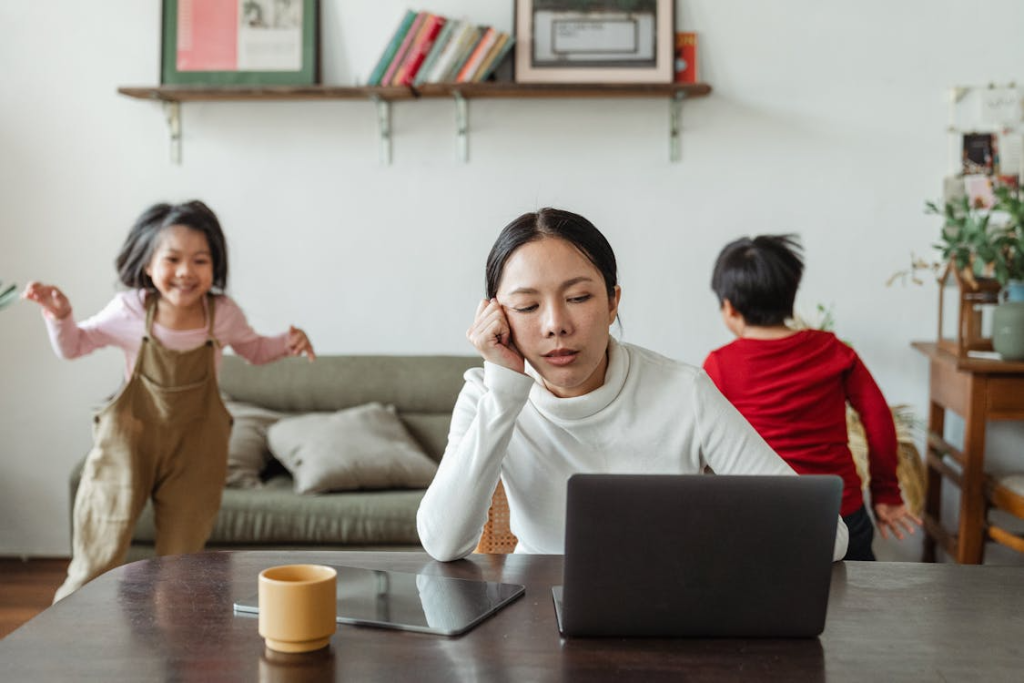
This has created ongoing debates in Korea between families with children and residents seeking quiet environments.
Many parents try to reduce complaints by taking extra precautions.
Common solutions include:
- Installing thick play mats
- Limiting running indoors
- Encouraging quieter indoor activities
- Taking children outside to parks or playgrounds
Some parents even enroll children in indoor play spaces or activity centers to avoid disturbing neighbors at home. Despite these efforts, the topic remains sensitive. Stories about apartment noise conflicts frequently appear in Korean news and on social media.
5. Social Harmony Often Matters More Than Legal Rules
The most important thing foreigners should understand is that the Korean apartment noise culture is deeply connected to social harmony.
Korean society traditionally emphasizes consideration for others and the maintenance of peaceful relationships within communities.
Even when someone technically has the right to make noise during daytime hours, they may still choose to limit it out of courtesy.
This mindset often leads residents to take preventive actions such as:
- Apologizing in advance if they expect noise
- Leaving small gifts for neighbors when moving in
- Writing polite notes if noise becomes unavoidable
In many apartment communities, maintaining good neighbor relationships is considered just as important as following official rules. Foreigners who adopt this attitude often find that neighbors respond with understanding and friendliness.
Learning about these subtle expectations is one reason platforms like Saranghero are helpful for people exploring Korean culture. We share trends, language insights, and lifestyle topics related to Korea, helping readers understand the cultural context behind everyday behaviors.
Tips for Foreigners Living in Korean Apartments
Adjusting to Korean apartment etiquette does not require drastic changes. Small habits can make a big difference.
Here are some practical tips that help foreigners adapt more easily:
- Reduce Impact Noise: Soft slippers and floor mats can dramatically reduce footsteps and vibrations.
- Be Mindful at Night: Avoid loud activities after 10 PM whenever possible.
- Communicate Politely: If noise becomes unavoidable, letting neighbors know in advance can help prevent misunderstandings.
- Observe Local Habits: Watching how neighbors behave often provides clues about what is expected in your building.
- Understand Cultural Context: Recognizing that these rules stem from shared challenges of living makes them easier to accept.
Final Thoughts
Living in South Korea offers many benefits, from efficient public transportation to vibrant urban culture. But adapting to local housing norms is an important part of the experience.
Understanding Korean apartment noise culture helps foreigners avoid unnecessary conflicts and build better relationships with neighbors. What may initially seem like strict rules often reflects a deeper commitment to shared community living.
With a little awareness and cultural curiosity, adapting to Korean apartment living can become a smooth and rewarding experience.