
In many countries, people keep their makeup on until bedtime. In South Korea, however, a very different routine is common. After a long day at work or school, many Koreans remove their makeup as soon as they get home.
From pollution concerns in cities like Seoul to the influence of the famous 10-step skincare routine, the decision to cleanse early is rarely random. It is part practicality, part cultural expectation, and part personal self-care ritual.
Below are seven reasons why removing makeup right after work is a key part of Korean after-work skincare habits.
Understanding Korean After-Work Skincare Habits and Daily Cleansing Culture
To understand why makeup removal happens so early in the evening, it helps to look at the broader philosophy behind Korean after-work skincare habits. In Korea, skincare is not treated as an occasional routine but as a daily discipline.
Many people learn skincare practices from family members at a young age, and these habits become deeply ingrained over time.
The foundation of Korean skincare culture is prevention rather than correction. Instead of waiting for skin problems to appear, people focus on maintaining healthy skin through consistent cleansing, hydration, and protection.
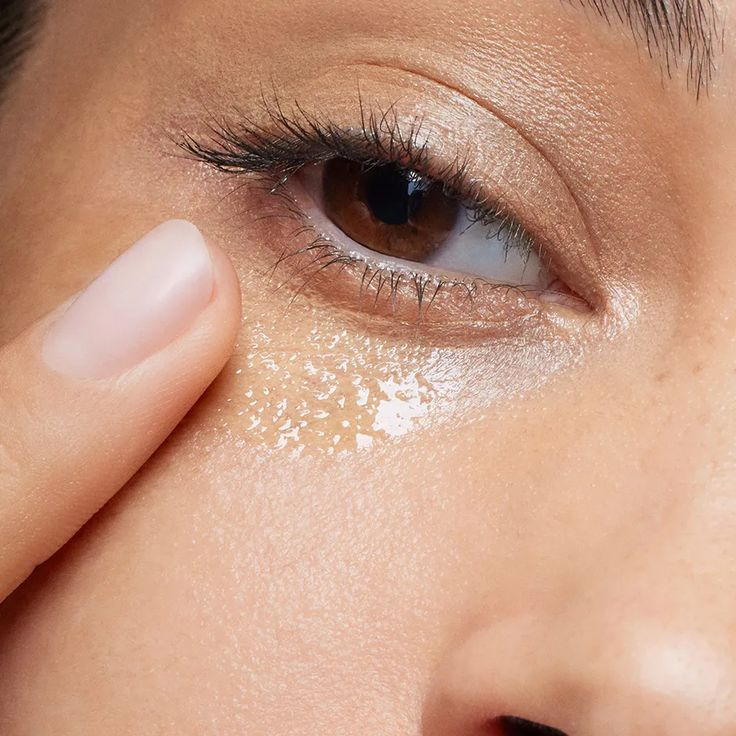
Because of this mindset, leaving makeup on unnecessarily is seen as counterproductive.
In fact, dermatologists often emphasize the importance of removing makeup promptly after exposure to environmental stressors such as dust, sweat, and air pollution. Seoul frequently experiences fine dust pollution known as “mise-mongji”, which can cling to the skin throughout the day.
When combined with foundation, sunscreen, and other cosmetics, these particles can contribute to clogged pores.
Within Korean after-work skincare habits, cleansing early offers several benefits:
- It prevents prolonged contact between skin and makeup ingredients.
- It reduces the risk of clogged pores caused by sweat and pollution.
- It prepares the skin for deeper nighttime skincare treatments.
- It helps maintain the smooth, clear complexion that Korean beauty culture values.
This early-cleansing habit also aligns with the famous double-cleansing method, which typically involves an oil-based cleanser followed by a water-based one. Removing makeup right after work allows people to complete this process earlier in the evening, rather than rushing it before bedtime.
More importantly, this routine signals the transition from public life to personal relaxation. Once makeup is removed, the workday is considered finished, and the focus shifts toward comfort and self-care.
Reason #1: Korean Skincare Philosophy Prioritizes Prevention
One of the biggest reasons makeup comes off immediately after work is the preventive philosophy behind Korean beauty routines. Rather than treating skin problems after they appear, Korean skincare culture focuses on preventing issues before they arise.
In Korean after-work skincare habits, makeup is seen as a necessary daytime layer but not as something that should stay on the skin longer than necessary. Even high-quality cosmetics can trap oil, sweat, and environmental particles.
Dermatologists often explain that the longer makeup remains on the skin, the greater the risk of:
- Pore congestion
- Increased sebum buildup
- Skin irritation
- Acne breakouts
This preventive mindset influences daily routines. Removing makeup early minimizes the time cosmetics interact with the skin.
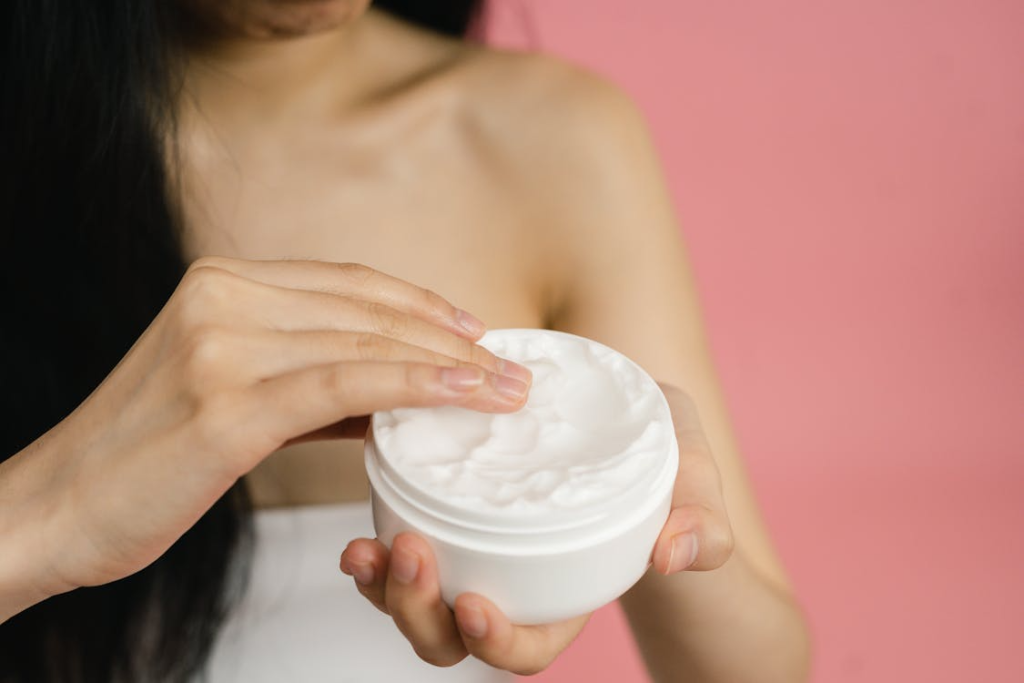
Another factor is that Korean skincare routines often include multiple treatment steps at night, such as:
- Toners
- Essences
- Serums
- Ampoules
- Moisturizers
These products work best on freshly cleansed skin. By removing makeup early, people give their skin more time to absorb beneficial ingredients.
In essence, these skincare habits prioritize skin health over convenience, which explains why cleansing begins almost immediately after returning home.
Reason #2: Seoul’s Air Pollution Makes Cleansing Essential
Urban environmental factors also play a major role in shaping Korean skincare habits. South Korea experiences periodic spikes in air pollution, particularly fine particulate matter (PM2.5).
According to the World Health Organization, fine particulate pollution can penetrate deep into the skin barrier and contribute to inflammation and premature aging.
In cities like Seoul, daily exposure to pollution is common. When makeup is layered over sunscreen and skincare products, the skin becomes a surface where pollutants can accumulate throughout the day.

By the time someone gets home from work, their skin may have been exposed to:
- Dust particles
- Vehicle emissions
- Sweat and humidity
- Makeup residue
Removing makeup quickly helps reduce the chance that pollutants remain on the skin overnight.
Many Koreans describe this cleansing step as “washing away the day.” The routine is not just about cosmetics but also about eliminating environmental buildup.
This environmental awareness has significantly influenced Korean beauty routines. Cleansing products in Korea often highlight their ability to remove pollution particles, reflecting how deeply environmental conditions shape everyday skincare decisions.
Reason #3: Double Cleansing Is a Core Part of Korean Beauty
A major reason makeup is removed early is the famous double-cleansing method, one of the most well-known elements of Korean beauty routines. This is one of the most important steps in maintaining healthy skin.
Double cleansing typically involves:
- Oil-based cleanser to dissolve makeup, sunscreen, and sebum.
- Water-based cleanser to remove sweat, dirt, and remaining impurities.
Because this two-step process takes time, many people prefer to do it when they get home rather than late at night when they are tired.
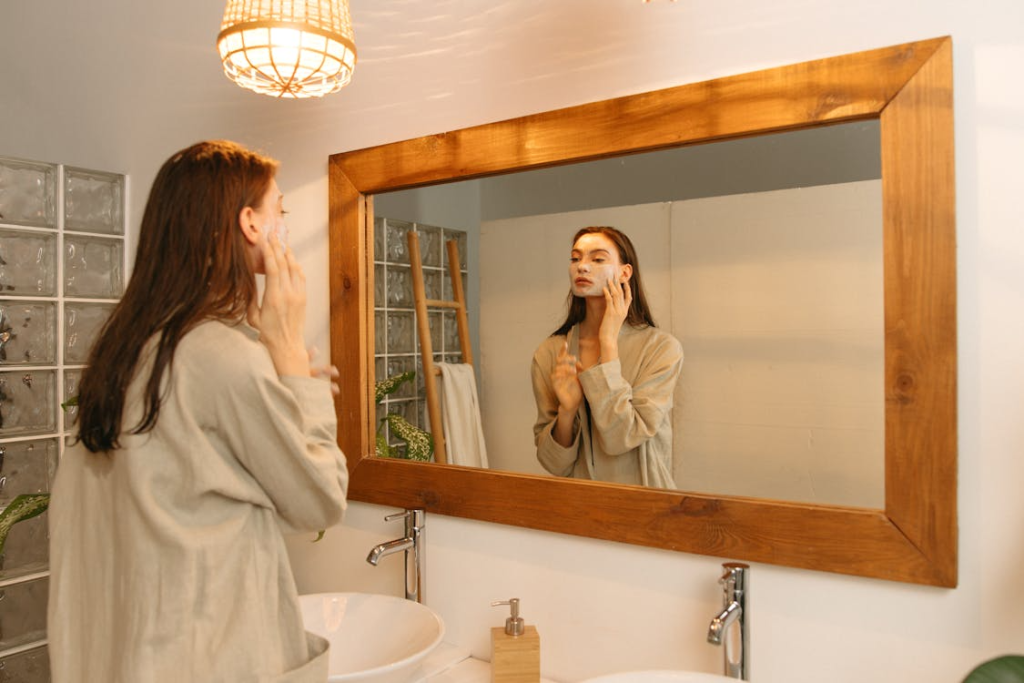
Within Korean after-work skincare habits, this routine often looks like this:
- Arrive home from work
- Change into comfortable clothes
- Remove makeup using an oil cleanser
- Follow with foam cleanser
- Continue with toner and hydration products
By completing these steps early in the evening, the skin has several hours to recover before sleep.
Many Koreans also reapply light skincare products after cleansing if they plan to relax at home. This could include a simple moisturizer or hydrating toner to maintain the skin barrier.
Reason #4: Skin Barrier Protection Is Taken Seriously
Another key reason for early makeup removal is the importance placed on skin barrier health.
In dermatology, the skin barrier refers to the outermost layer of the skin that protects against bacteria, irritants, and moisture loss. When this barrier is compromised, skin can become sensitive, dry, or prone to breakouts.
In Korean after-work skincare, protecting the skin barrier is a priority. Makeup, especially long-wear formulas, can irritate if left on for too long.

Removing makeup early helps:
- Reduce friction from cosmetic buildup
- Allow the skin to breathe
- Prepare the skin for restorative treatments
Many nighttime Korean skincare products are specifically designed to repair and strengthen the skin barrier. These include ingredients such as:
- Ceramides
- Hyaluronic acid
- Centella asiatica
- Panthenol
By cleansing earlier in the evening, these ingredients have more time to work effectively before bedtime.
Reason #5: Home Comfort Culture Encourages a Fresh Face
Another factor influencing Korean after-work skincare habits is the concept of home comfort.
In Korean culture, there is a strong distinction between public appearance and private relaxation. Makeup is often associated with work, social gatherings, or public outings.
Once someone returns home, the priority shifts to comfort and relaxation.
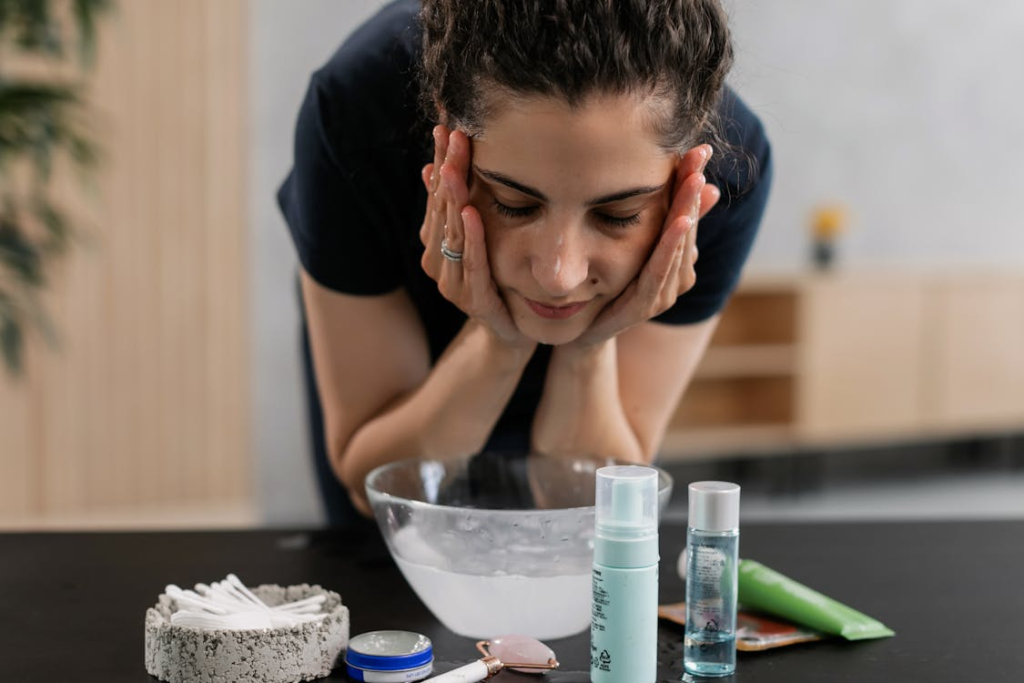
Many people immediately:
- Change into comfortable home clothes
- Remove makeup
- Tie their hair up
- Begin their skincare routine.
This habit reflects a broader Korean lifestyle trend where the home environment is treated as a place to rest and recharge. Removing makeup symbolizes leaving the stress of the workday behind.
This cultural perspective also appears frequently in Korean dramas, where characters are often shown cleansing their faces after returning home.
6. Nighttime Skincare Routines Are More Intensive
Nighttime skincare is considered the most important part of Korean beauty routines. Because the skin repairs itself during sleep, many people apply multiple treatment products before bed.
Within Korean after-work skincare habits, cleansing early gives the skin more time to absorb these products.
Typical nighttime routines may include:
- Hydrating toner
- Essence
- Treatment serum
- Ampoule
- Sheet mask (occasionally)
- Moisturizer
- Eye cream
Applying these products too late can reduce their effectiveness if someone goes to sleep immediately afterward.
By removing makeup early, people allow their skin to gradually absorb each layer of skincare products. This slow absorption is believed to improve hydration and product performance.
7. The Influence of K-Beauty Education and Media
The final reason relates to the influence of education and the media. South Korea has one of the most advanced beauty industries in the world, and skincare knowledge is widely shared through beauty shows, influencers, dermatologists, and online platforms.

Korean consumers are highly informed about skincare science, ingredients, and routines. This awareness reinforces the importance of cleansing early.
Websites and cultural platforms like Saranghero frequently explore these lifestyle patterns. By covering Korean beauty trends, K-drama culture, and daily routines, they help international audiences understand why skincare practices like early makeup removal are so common.
These insights reveal that Korean after-work skincare habits are not random trends but part of a well-informed beauty culture shaped by education, environmental awareness, and long-standing skincare traditions.
Final Thoughts
Removing makeup immediately after work may seem unusual to people unfamiliar with Korean beauty routines. However, once the cultural and environmental factors are taken into account, the habit makes perfect sense.
From pollution concerns and skincare philosophy to comfort culture and nighttime routines, many factors shape Korean after-work skincare habits. Each element contributes to a broader lifestyle approach that prioritizes healthy skin and consistent self-care.