
K-Pop and traditional Korean music each have their own charm and appeal, but they couldn’t be more different! K-Pop, with its catchy tunes and flashy performances, captures the excitement of modern pop culture, while traditional Korean music offers a glimpse into the rich history and cultural heritage of the country. Let’s break down what sets these two musical styles apart, highlighting their unique characteristics and the emotions they evoke.
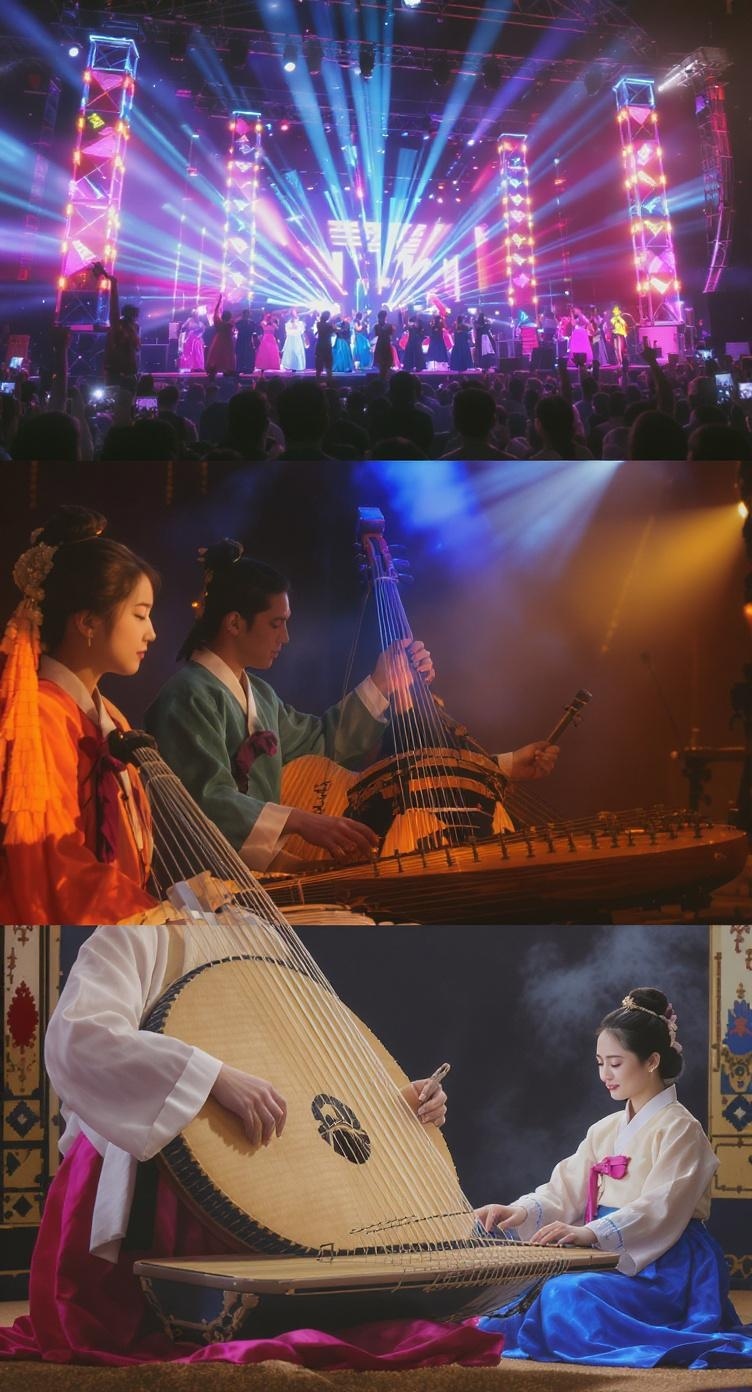
K-Pop and traditional Korean music each tell a story, showcasing the rich culture of Korea. K-Pop, with its catchy beats and vibrant performances, has taken the world by storm. It’s modern, flashy, and appeals to a global audience. On the other hand, traditional Korean music offers a glimpse into the past, with its unique instruments and deep-rooted history.
The contrast between these two genres is striking. K-Pop is all about high energy and visual appeal, often featuring elaborate choreography and colorful outfits. Traditional music, however, focuses on melody and emotion, often performed with instruments like the gayageum and haegeum. These elements create a serene atmosphere that invites listeners to reflect.
As we dive deeper into this topic, it’s fascinating to see how K-Pop artists sometimes incorporate traditional elements into their music. This blend creates a unique fusion that honors the past while embracing the future. Fans of both genres can appreciate the artistry involved in each.
Moreover, the cultural significance of each genre cannot be overlooked. K-Pop has become a symbol of modern Korean culture, influencing fashion and trends worldwide. Meanwhile, traditional music preserves the essence of Korean heritage, connecting generations through its timeless sounds.
In this article, we will explore what makes each genre unique. By understanding their differences and similarities, we can appreciate the richness of Korean music as a whole. Whether you’re a fan of the upbeat rhythms of K-Pop or the soothing melodies of traditional music, there’s something for everyone to enjoy.
Join us as we celebrate the diversity of Korean music, highlighting the vibrant world of K-Pop alongside the beautiful traditions that have shaped it. Each genre has its own charm, and together they create a fascinating musical landscape.
What Is Traditional Korean Music (Gugak)?
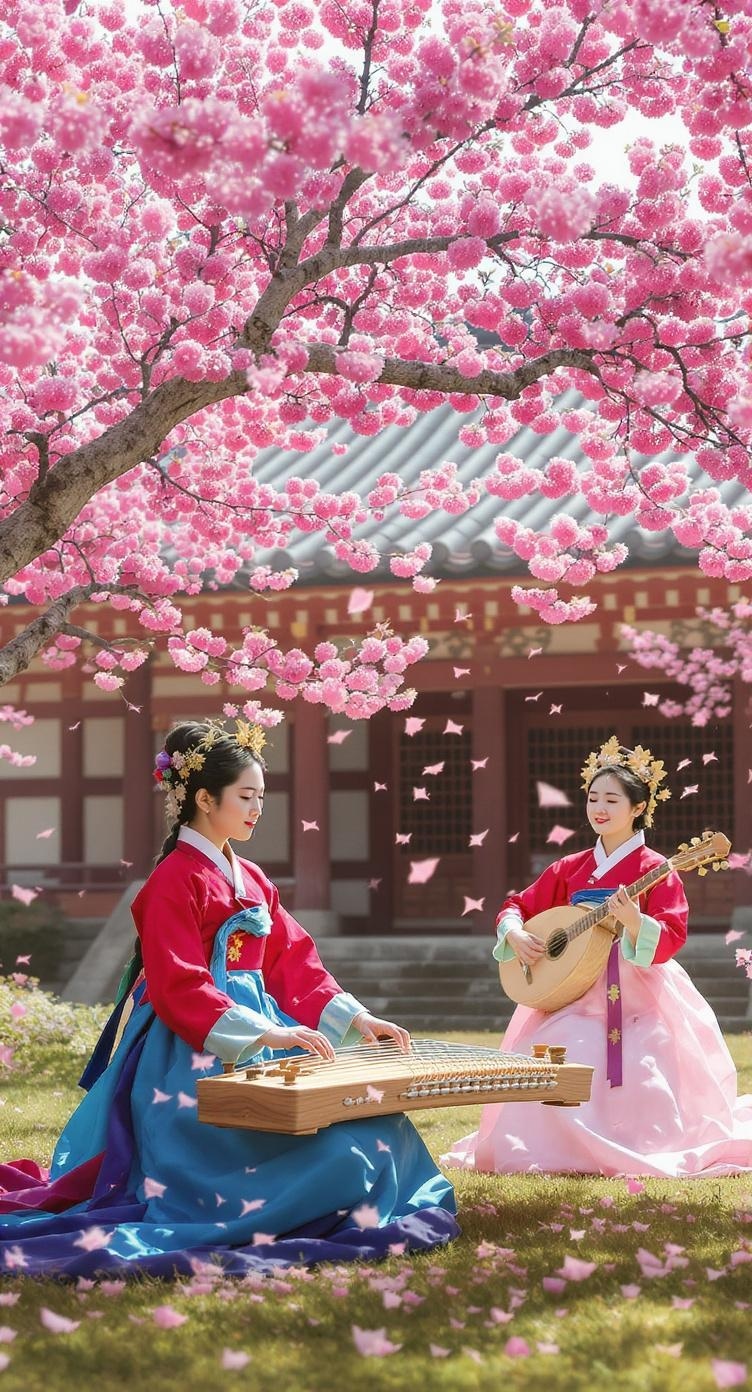
Traditional Korean music, known as Gugak, is a beautiful expression of Korea’s rich cultural heritage. It encompasses various styles, instruments, and genres that have evolved over centuries. This music often reflects the emotions and stories of the Korean people, making it deeply meaningful.
One of the key features of Gugak is its unique instruments. The gayageum, a zither-like string instrument, and the haegeum, a two-stringed fiddle, are popular choices. These instruments produce sounds that are both soothing and captivating. They play a vital role in conveying the essence of traditional Korean melodies.
Gugak also includes various vocal styles, such as pansori, which is a form of musical storytelling. Performers use expressive singing and dramatic gestures to tell tales of love, hardship, and history. This art form connects listeners to the past, making it a cherished part of Korean culture.
In addition to its musical elements, Gugak often features traditional dance. The graceful movements of dancers complement the music, creating a harmonious experience. Events showcasing Gugak frequently include colorful costumes that add to the visual appeal.
Another interesting aspect of Gugak is its connection to nature. Many pieces are inspired by natural elements, reflecting the beauty of Korea’s landscapes. This connection enhances the emotional depth of the music, allowing listeners to feel a sense of peace and tranquility.
Today, Gugak is experiencing a revival, with modern artists blending traditional sounds with contemporary influences. This fusion keeps the music alive and relevant, attracting new audiences while honoring its roots. As a result, Gugak continues to evolve while staying true to its cultural significance.
In summary, traditional Korean music, or Gugak, is a vibrant part of Korea’s cultural identity. Its unique instruments, vocal styles, and connection to nature make it a fascinating subject for exploration. Whether through performances or recordings, Gugak offers a glimpse into the heart and soul of Korea.
Historical Origins From Three Kingdoms Period And Joseon Dynasty Developments
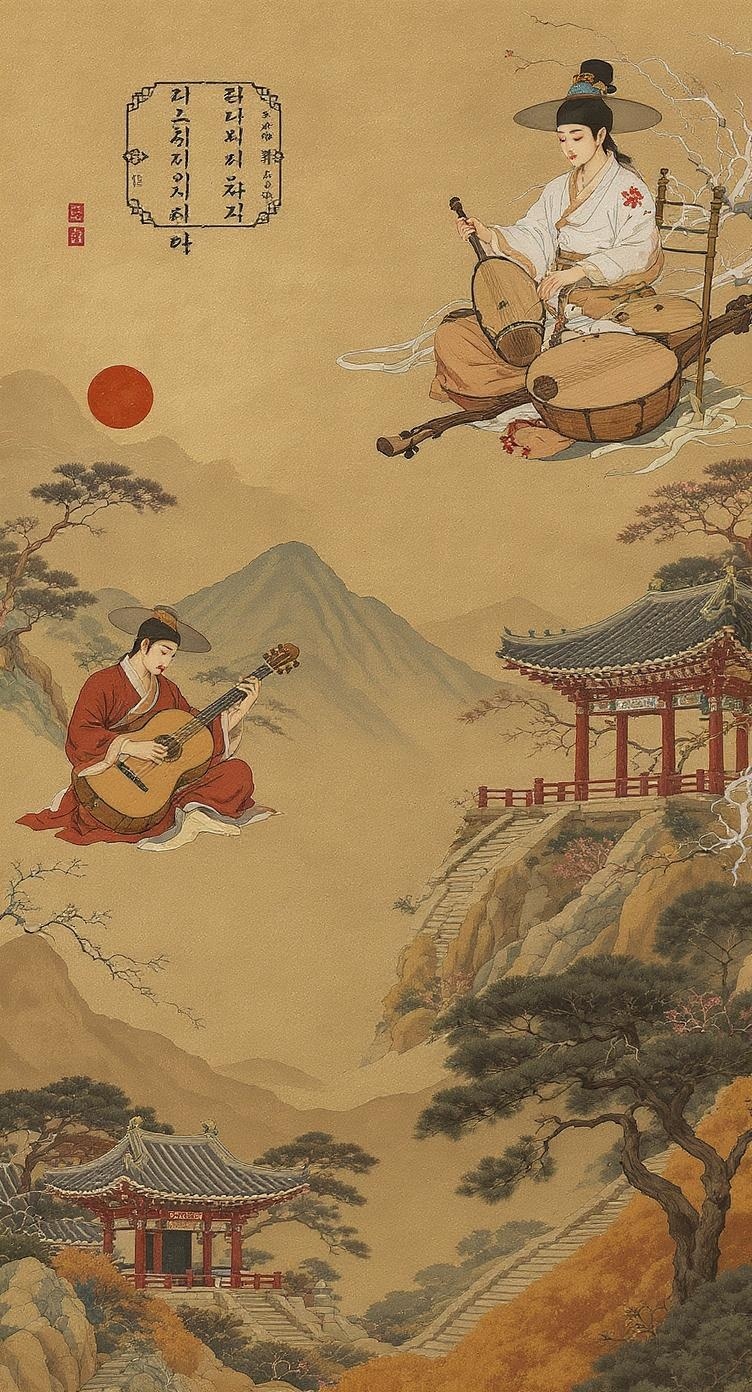
The roots of Korean music stretch back to the Three Kingdoms period, where distinct styles began to form. This era saw the emergence of various musical instruments and traditions that laid the groundwork for what would evolve into both traditional Korean music and K-Pop.
During the Three Kingdoms period, music played a vital role in rituals and ceremonies. Instruments like the geomungo and the gayageum were developed, showcasing the craftsmanship and artistic expression of the time. These instruments are still celebrated in traditional music today.
Moving into the Joseon Dynasty, music became more structured and formalized. The dynasty emphasized Confucian ideals, which influenced the music scene significantly. Court music, or jeongak, was refined, and performances became a way to express cultural values and social order.
In this period, the development of pansori, a form of musical storytelling, emerged. Pansori combined narrative and song, captivating audiences with its emotional depth. This art form is a testament to the rich storytelling tradition in Korean culture.
As time went on, the influence of Western music began to seep into Korean society. This led to a fusion of traditional sounds with new elements, paving the way for modern genres like K-Pop. The blend of old and new is a hallmark of Korea’s musical evolution.
Today, K-Pop stands as a global phenomenon, yet its roots can be traced back to these historical developments. The journey from the Three Kingdoms to the Joseon Dynasty highlights how deeply intertwined history and music are in shaping cultural identity.
Understanding these origins provides a deeper appreciation for both traditional Korean music and contemporary K-Pop. Each genre reflects the spirit of its time, showcasing the resilience and creativity of Korean artists throughout the ages.
Key Forms: Jeongak (Court Music), Pansori (Narrative Singing), Sanjo (Solo Instrumental)
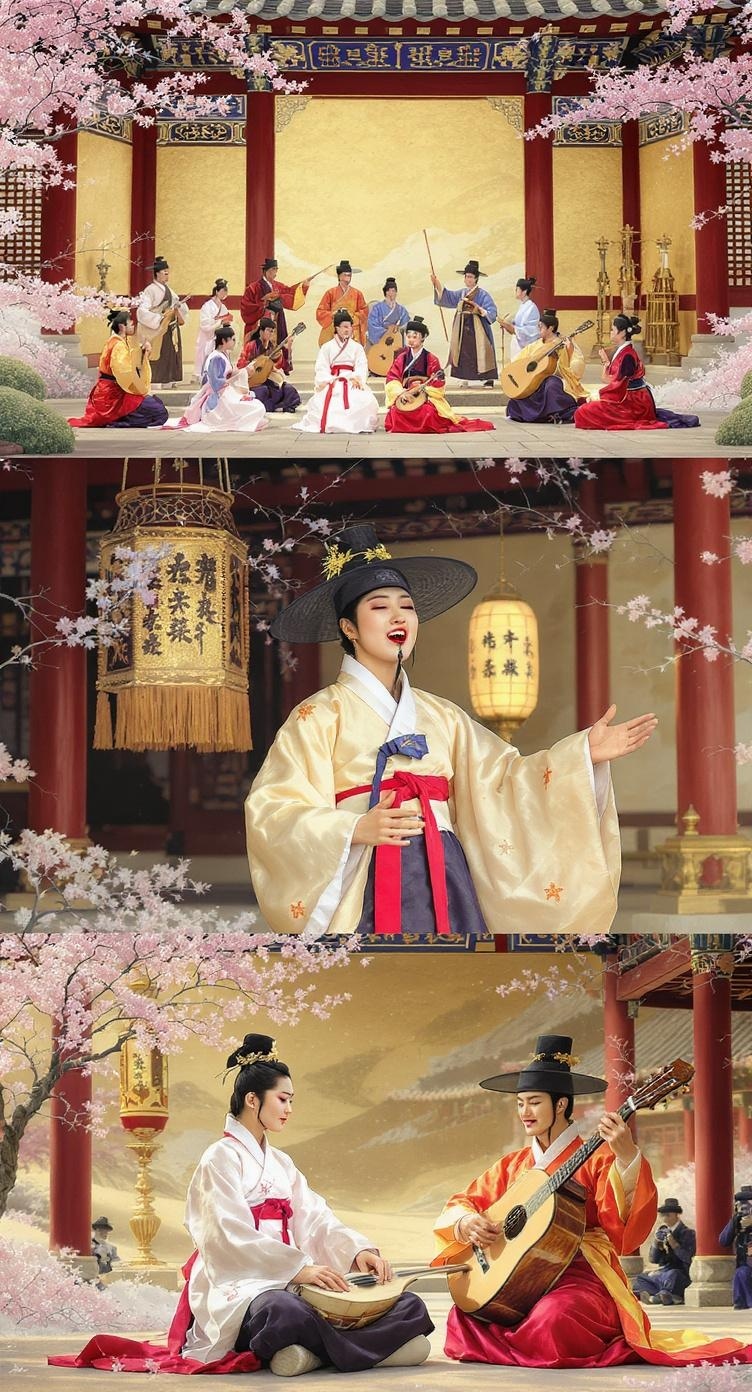
When we think of Korean music, two distinct worlds come to mind: the traditional sounds that have shaped the culture for centuries and the modern beats of K-Pop that dominate today’s charts. Within traditional music, we find unique forms like Jeongak, Pansori, and Sanjo, each with its own flavor and history.
Jeongak, or court music, is often performed in royal settings. It’s characterized by its elegant melodies and structured compositions. This music was designed to accompany the royal court’s ceremonies and gatherings. The instruments used, like the gayageum and geomungo, create a serene atmosphere that reflects the grace of the court.
Next up is Pansori, a narrative singing tradition that tells stories through song. This form is deeply expressive and often features a solo singer accompanied by a drummer. The singer’s ability to convey emotion through their voice is what makes Pansori so captivating. Each performance can last several hours, drawing the audience into the tale being told.
Sanjo, on the other hand, focuses on solo instrumental performances. This form showcases the virtuosity of musicians as they improvise over a set structure. Each instrument brings its own unique sound, making every performance a personal expression. The flexibility in Sanjo allows musicians to connect with their audience in a very intimate way.
These traditional forms are not just relics of the past; they continue to influence contemporary music. K-Pop artists often draw inspiration from these rich traditions, blending them with modern sounds. This fusion creates a vibrant musical landscape that honors the past while looking to the future.
In summary, Jeongak, Pansori, and Sanjo each offer a glimpse into Korea’s musical heritage. They remind us of the depth and diversity of Korean culture, contrasting beautifully with the energetic and polished world of K-Pop. Both forms celebrate the spirit of Korea, each in its own unique way.
Instruments Like Gayageum, Geomungo, Piri, And Haegeum
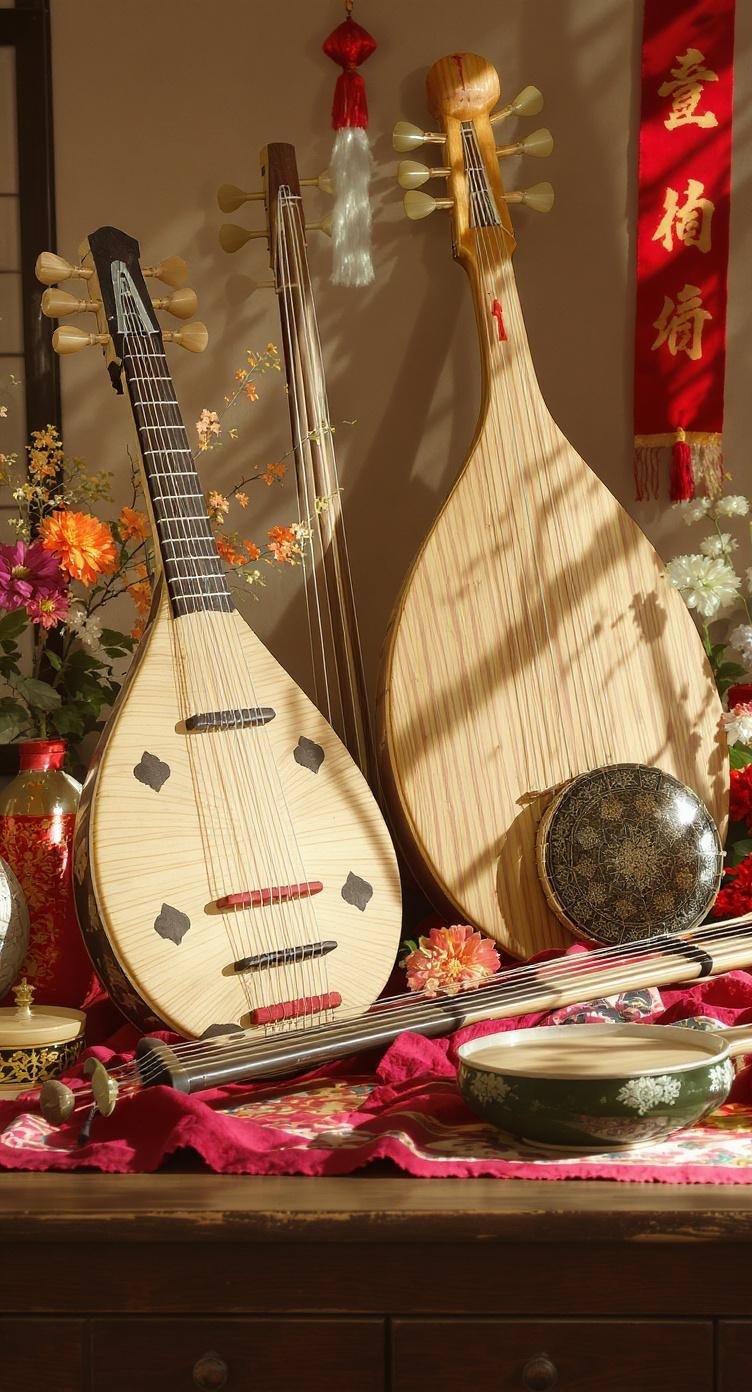
Korean traditional music features unique instruments that create distinct sounds. The gayageum, for instance, is a string instrument that has a beautiful, resonant tone. It’s often used in both solo performances and ensembles, showcasing its versatility.
Next up is the geomungo, another string instrument, but with a deeper sound. Made from wood and featuring six strings, it has a rich history and is known for its powerful presence in traditional music.
Then there’s the piri, a bamboo wind instrument. Its sound is sharp and clear, making it a favorite in folk music. The piri adds a lively element to performances, often accompanying other instruments.
Lastly, we have the haegeum, a two-stringed fiddle that produces a hauntingly beautiful sound. Played with a bow, it can evoke deep emotions and is often featured in storytelling through music.
These instruments not only define traditional Korean music but also connect listeners to the culture and history of Korea. Each one has its own character, contributing to the rich tapestry of sounds.
In contrast, K-Pop often relies on modern instruments and technology, creating a different musical experience. While K-Pop is vibrant and catchy, traditional music offers a more introspective journey.
Understanding these instruments helps appreciate the depth of Korean music. Whether you’re drawn to the modern beats of K-Pop or the soulful melodies of traditional music, both have their unique charm.
What Is K-Pop?
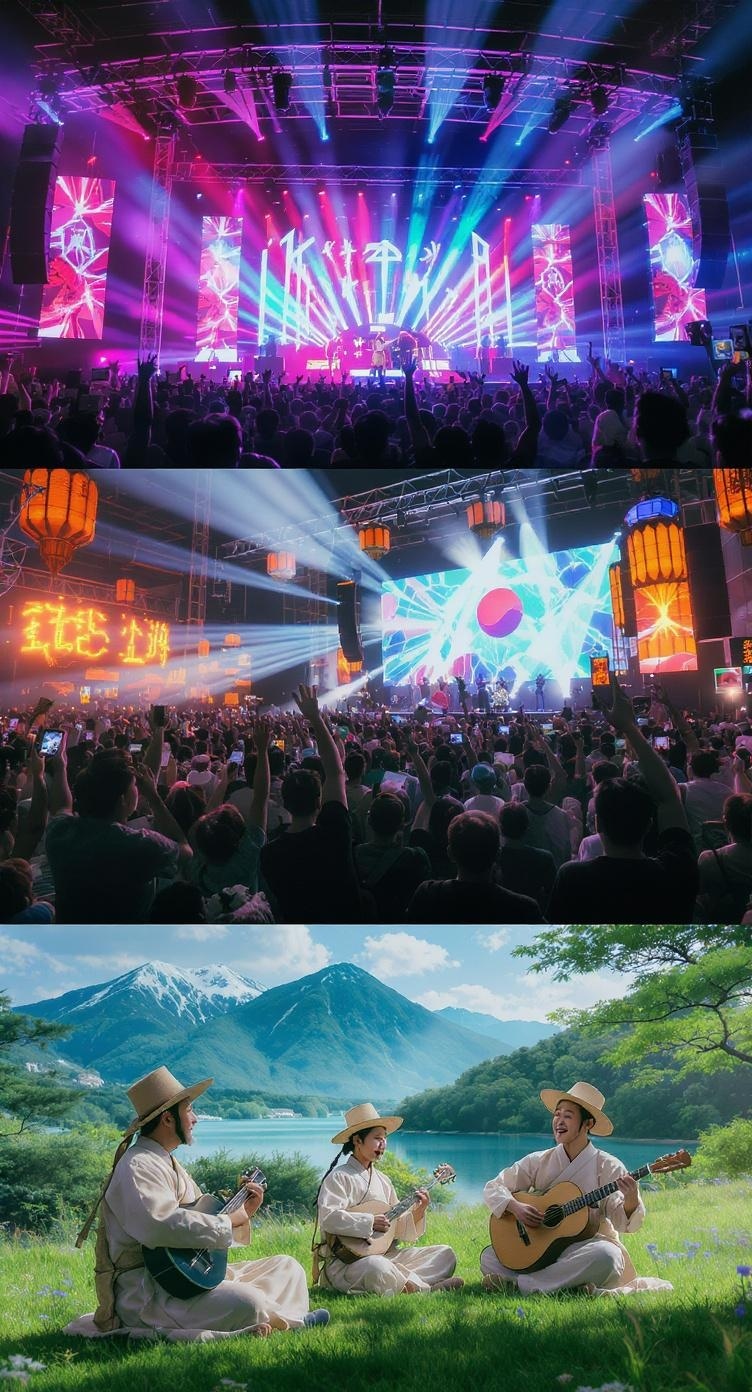
K-Pop, short for Korean pop music, is a genre that has taken the world by storm. It blends catchy melodies, impressive choreography, and vibrant visuals. This genre is not just about the music; it’s a full-on entertainment experience.
One of the standout features of K-Pop is its diverse range of musical styles. From hip-hop to electronic dance music, K-Pop artists often mix different genres to create something fresh and exciting. This variety keeps fans engaged and eager for new releases.
The visuals in K-Pop are equally important. Music videos are known for their high production values, featuring elaborate sets and stunning costumes. Artists often showcase their unique styles, making each video a feast for the eyes.
Another key aspect is the fan culture surrounding K-Pop. Fans, known as “stans,” are incredibly dedicated. They support their favorite groups through social media, fan events, and streaming parties. This sense of community adds to the overall appeal of K-Pop.
Moreover, K-Pop artists often undergo rigorous training before debuting. Many spend years perfecting their singing, dancing, and performance skills. This dedication contributes to the polished performances fans have come to expect.
In recent years, K-Pop has gained international recognition. Groups like BTS and BLACKPINK have topped charts worldwide, breaking language barriers and bringing Korean culture to a global audience. This rise in popularity has opened doors for more artists to enter the scene.
Ultimately, K-Pop is more than just music; it’s a cultural phenomenon that continues to evolve. With its catchy tunes, stunning visuals, and passionate fanbase, K-Pop is here to stay.
Modern Fusion Of Pop, Hip-Hop, Edm, And Dance From 1990S Onward

The 1990s marked a turning point in music, especially in Korea. This era saw the rise of K-Pop, blending various genres like pop, hip-hop, and EDM. Artists began experimenting with different sounds, creating a unique fusion that appealed to a global audience.
As K-Pop evolved, it incorporated elements from traditional Korean music, making it distinct. This blend not only attracted fans in Korea but also gained international recognition. The catchy hooks and vibrant visuals became a signature of the genre.
Dance also played a crucial role in this transformation. Choreography became more intricate and visually appealing, often reflecting the energy of the music. This combination of sound and movement created a captivating experience for audiences.
Moreover, the influence of technology cannot be overlooked. The rise of social media platforms allowed artists to share their work widely. Fans could connect with their favorite idols, further fueling the popularity of K-Pop.
In contrast, traditional Korean music, with its rich history, focuses on storytelling and cultural expression. While K-Pop embraces modernity, traditional music remains rooted in its heritage. This contrast highlights the diversity within Korean music.
Ultimately, both genres offer something unique. K-Pop represents a modern fusion of various influences, while traditional music preserves cultural identity. Together, they showcase the evolution of Korean music.
As K-Pop continues to grow, it will be exciting to see how these influences shape the future of music in Korea and beyond.
Idol Groups, Choreography, And Global Marketing Via Agencies Like Hybe And Sm
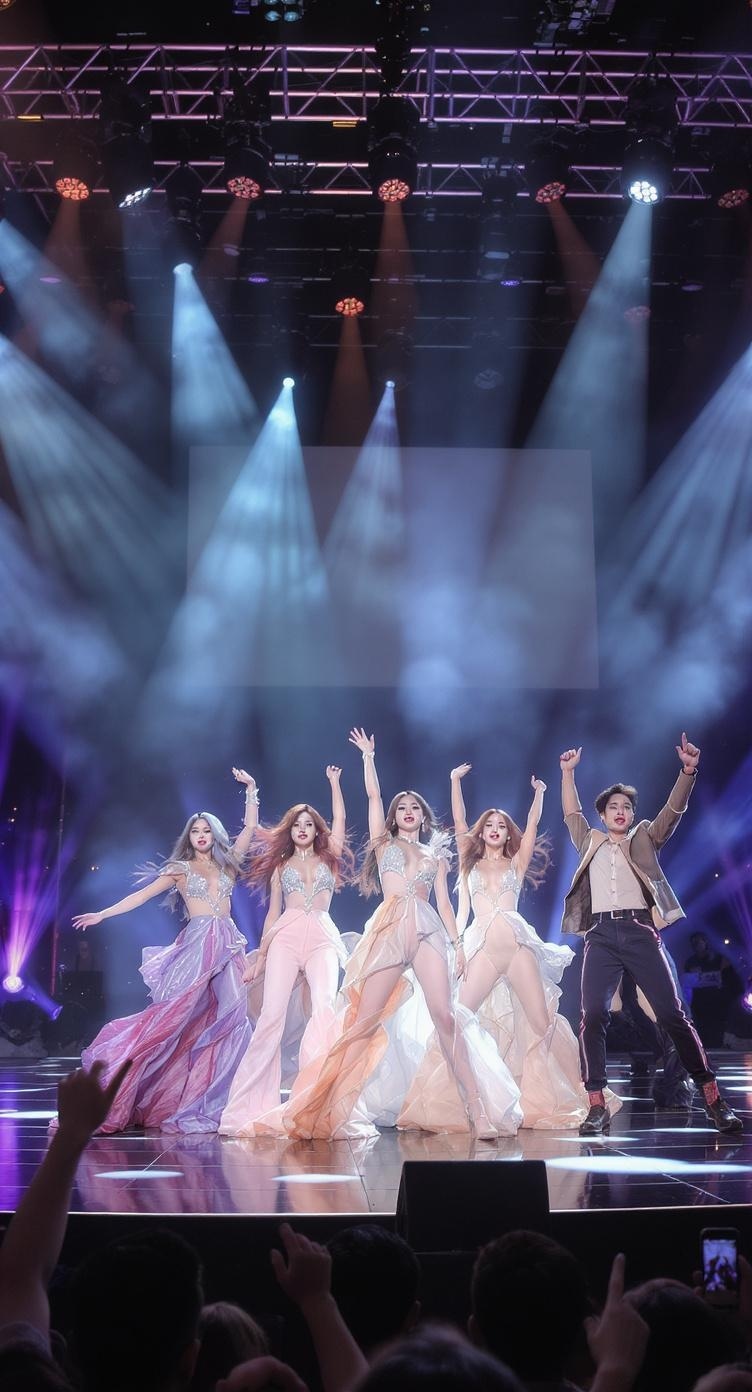
K-Pop idol groups are a phenomenon that blends music, dance, and fashion into a captivating experience. These groups often consist of multiple members, each bringing unique talents to the stage. The choreography is a key element, with intricate dance routines that are meticulously crafted. This level of detail not only showcases their skills but also enhances the overall performance.
Agencies like Hybe and SM Entertainment play a significant role in shaping these idol groups. They invest heavily in training, marketing, and promoting their artists on a global scale. This strategic approach allows K-Pop to reach audiences far beyond Korea, creating a diverse fan base worldwide. The marketing strategies employed are innovative, often utilizing social media platforms to engage fans and build a community.
Choreography in K-Pop is not just about dance; it tells a story. Each move is designed to convey emotions and connect with the audience. The synchronization among group members is impressive, making performances visually stunning. This attention to detail is a hallmark of K-Pop, setting it apart from other music genres.
Moreover, the visual aspect of performances is equally important. Costumes and stage design are carefully considered to enhance the overall impact. The combination of music, dance, and visual elements creates a memorable experience for fans. This is why K-Pop concerts are often described as spectacular events.
In contrast, traditional Korean music focuses more on cultural heritage and storytelling. While it has its own beauty, it lacks the flashy performances that K-Pop is known for. Idol groups have transformed the music scene by making it more accessible and entertaining for younger audiences.
Ultimately, the success of K-Pop idol groups lies in their ability to connect with fans. The combination of catchy tunes, impressive choreography, and savvy marketing creates a unique experience. This blend of elements continues to captivate audiences around the world, making K-Pop a global sensation.
As we look at the differences between K-Pop and traditional Korean music, it’s clear that both have their own unique charm. K-Pop’s dynamic performances and global reach contrast with the rich history and depth of traditional music. Each has its place in the hearts of fans, showcasing the diversity of Korean culture.
Production Style With Auto-Tune, Hooks, And Multilingual Lyrics
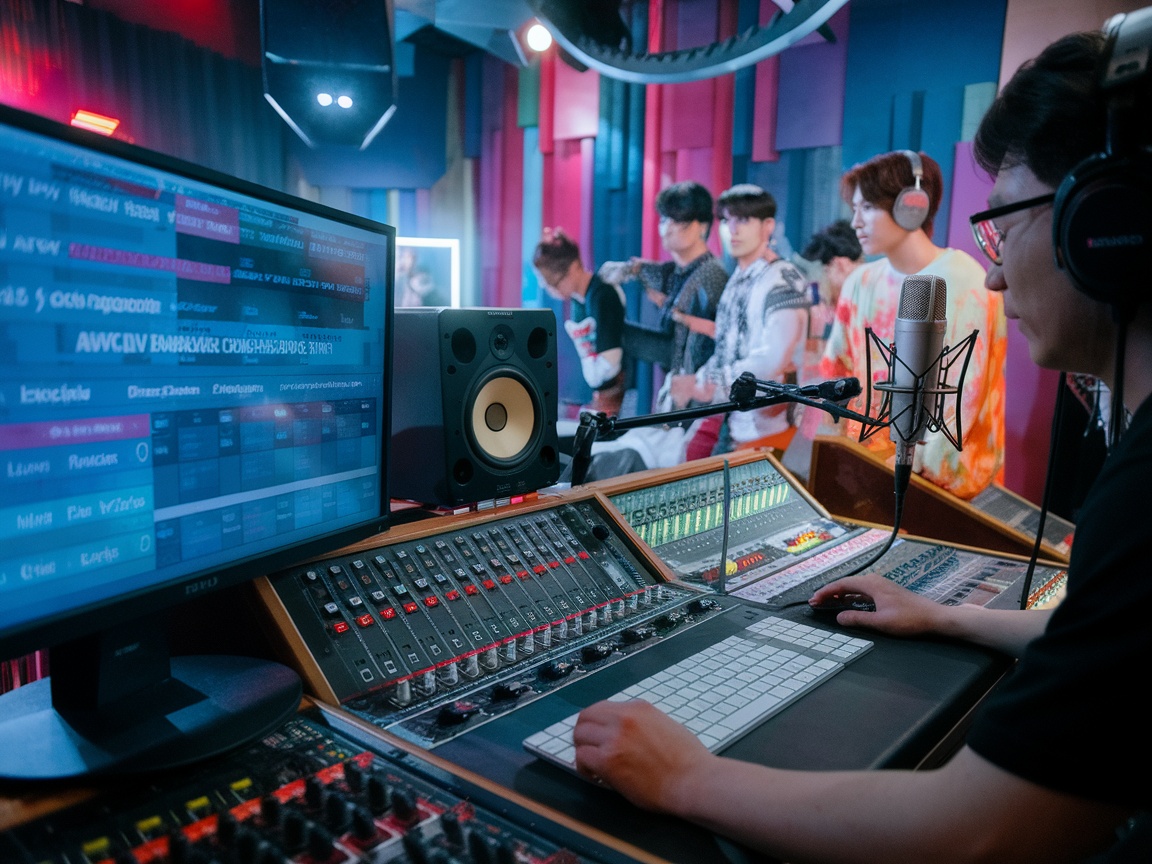
K-Pop has taken the world by storm, and one of the key elements that sets it apart is its production style. Auto-tune is a staple in many K-Pop tracks, giving them that polished, radio-ready sound. This technology allows artists to hit those high notes effortlessly, making the music more accessible and enjoyable for listeners.
Hooks are another vital part of K-Pop. These catchy phrases or melodies grab your attention and stick in your mind long after the song ends. A great hook can turn a good song into a hit, and K-Pop groups excel at crafting these earworms that keep fans coming back for more.
Moreover, K-Pop often features multilingual lyrics. This approach broadens its appeal, allowing fans from different backgrounds to connect with the music. Songs may include English phrases or even entire verses, making it easier for international audiences to sing along.
In contrast, traditional Korean music focuses on different elements. It often emphasizes live instrumentation and vocal techniques that highlight the artist’s natural voice. The production is less reliant on technology, creating a more organic sound that reflects Korea’s rich cultural heritage.
While traditional music may not use auto-tune, it showcases intricate melodies and rhythms that tell stories. These songs often carry deep meanings and are rooted in historical contexts, making them a unique experience for listeners.
Both K-Pop and traditional Korean music have their own charm. K-Pop’s modern production techniques attract a younger audience, while traditional music offers a glimpse into Korea’s past. Each style has its own unique qualities that resonate with different people.
Ultimately, the contrast between K-Pop and traditional music highlights the evolution of Korean culture. As K-Pop continues to grow globally, it also brings traditional elements into the spotlight, creating a fascinating blend of old and new.
Key Differences
Rhythm And Tempo: Gugak’S Irregular, Free Rhythms Vs. K-Pop’S Steady 4/4 Beats
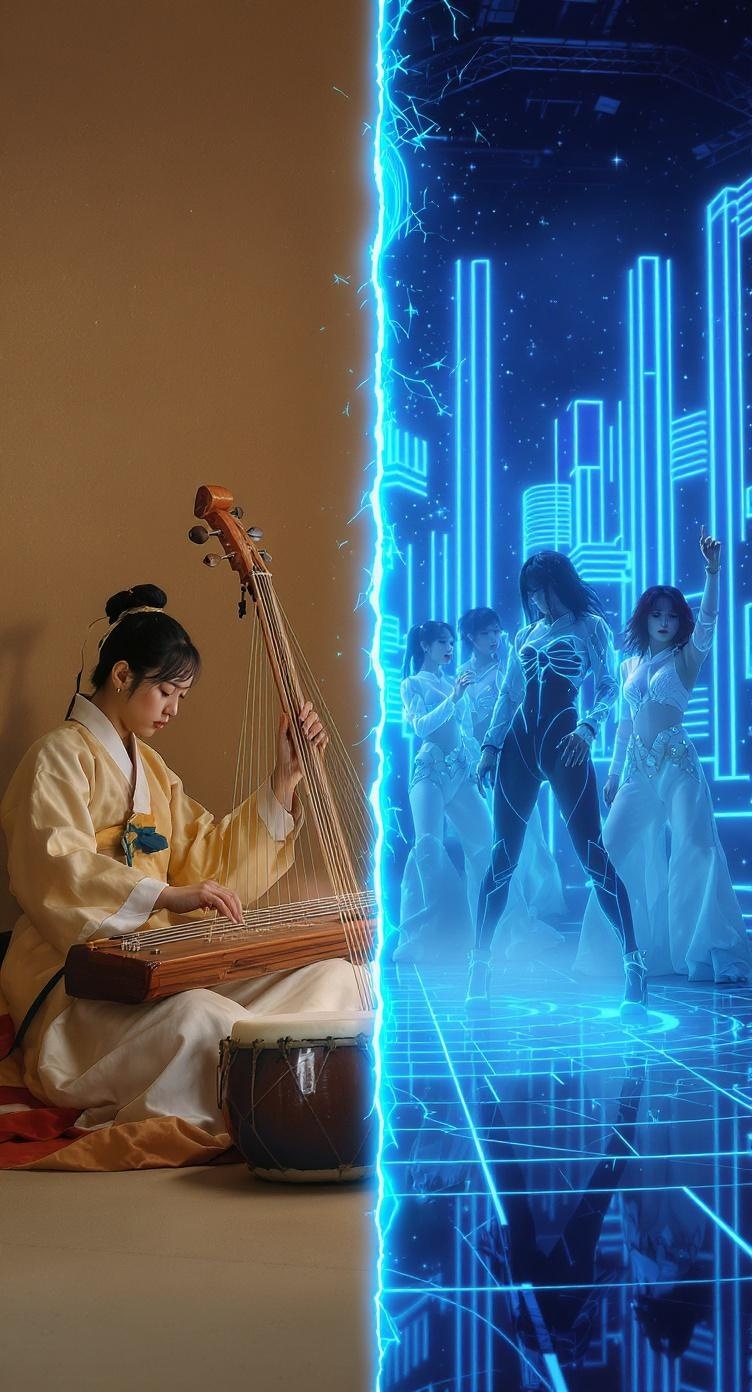
When we think about rhythm, the differences between Gugak and K-Pop become clear. Gugak, the traditional Korean music, often features irregular and free rhythms. This style allows for a more fluid expression, where musicians can improvise and play with the tempo. It creates a unique listening experience that feels organic and spontaneous.
On the flip side, K-Pop sticks to a steady 4/4 beat. This consistency makes it catchy and easy to dance to. The rhythmic structure is designed to appeal to a wide audience, making it perfect for radio play and performances. The beats are often layered with electronic elements, adding a modern twist.
Gugak’s irregular rhythms can be challenging for some listeners. The unpredictability keeps you on your toes, inviting you to engage more deeply with the music. Each performance can feel different, as musicians might change the tempo or rhythm based on their mood or the audience’s energy.
K-Pop, however, is all about that infectious groove. The steady beats create a sense of familiarity. Fans can easily sing along and follow the choreography, which is a huge part of the K-Pop experience. This structured approach helps K-Pop maintain its popularity across various demographics.
Moreover, the instrumentation in Gugak plays a significant role in its rhythm. Traditional instruments like the gayageum and janggu contribute to the unique sound. These instruments allow for a range of expressions, from soft and delicate to bold and powerful.
In contrast, K-Pop often incorporates a mix of digital sounds and traditional instruments. This fusion creates a vibrant soundscape that appeals to younger audiences. The rhythmic precision in K-Pop is a big part of its appeal, making it a staple in dance clubs and music charts.
Ultimately, both genres offer something special. Gugak invites you to experience music in a more freeform way, while K-Pop provides a polished, energetic experience. Each has its own charm, showcasing the rich musical heritage of Korea.
Melody And Harmony: Pentatonic Scales And Monophonic Lines In Gugak Vs. Western Diatonic Chords In K-Pop
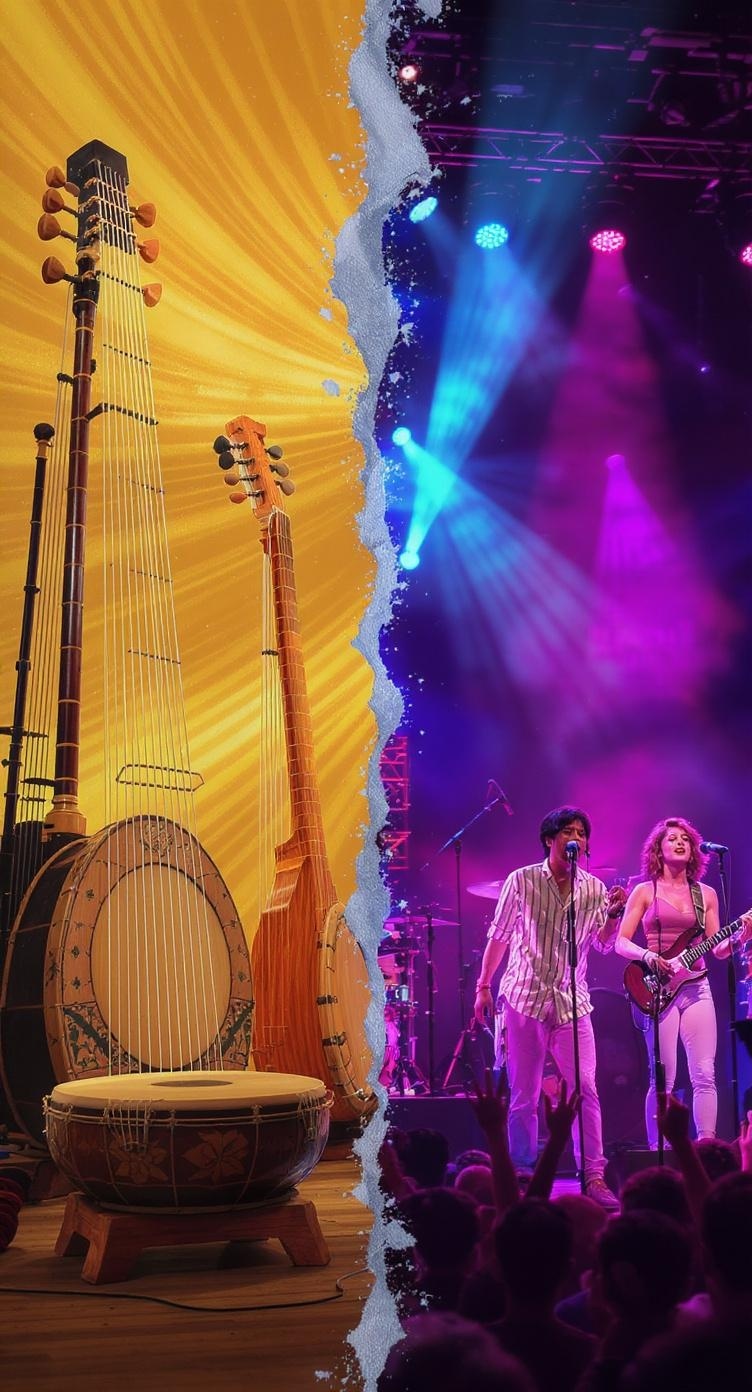
When we think about the melodies in traditional Korean music, or Gugak, we often encounter the pentatonic scale. This scale consists of five notes and creates a unique sound that feels both soothing and reflective. The simplicity of these five notes allows for deep emotional expression, often resonating with themes of nature and life.
In contrast, K-Pop embraces a more complex harmonic structure. Western diatonic chords dominate this genre, offering a rich tapestry of sounds. These chords create a vibrant atmosphere, allowing for catchy hooks and dynamic arrangements that keep listeners engaged. The blend of various instruments and electronic elements enhances this complexity.
Another interesting aspect is the use of monophonic lines in Gugak. This means that the melody is often sung or played as a single line, without harmony. This approach emphasizes the beauty of the melody itself, allowing performers to showcase their vocal or instrumental skills. It’s a stark contrast to K-Pop, where harmonies and layered vocals are key components.
Moreover, the performance styles differ significantly. Gugak often involves solo performances or small ensembles, focusing on the individual artist’s expression. On the other hand, K-Pop is known for its large groups, synchronized choreography, and high-energy performances, creating a spectacle that captivates audiences.
Both genres reflect their cultural roots, with Gugak rooted in history and tradition, while K-Pop represents modernity and global influence. This blend of old and new showcases the evolution of Korean music, highlighting how each genre brings something unique to the table.
Ultimately, whether you’re drawn to the serene melodies of Gugak or the energetic beats of K-Pop, both styles offer a glimpse into the rich musical heritage of Korea. Each has its own charm, inviting listeners to appreciate the diversity of sound and emotion.
Performance: Solo Or Small Ensemble With Emotional Expression Vs. Synchronized Group Dances And Visuals
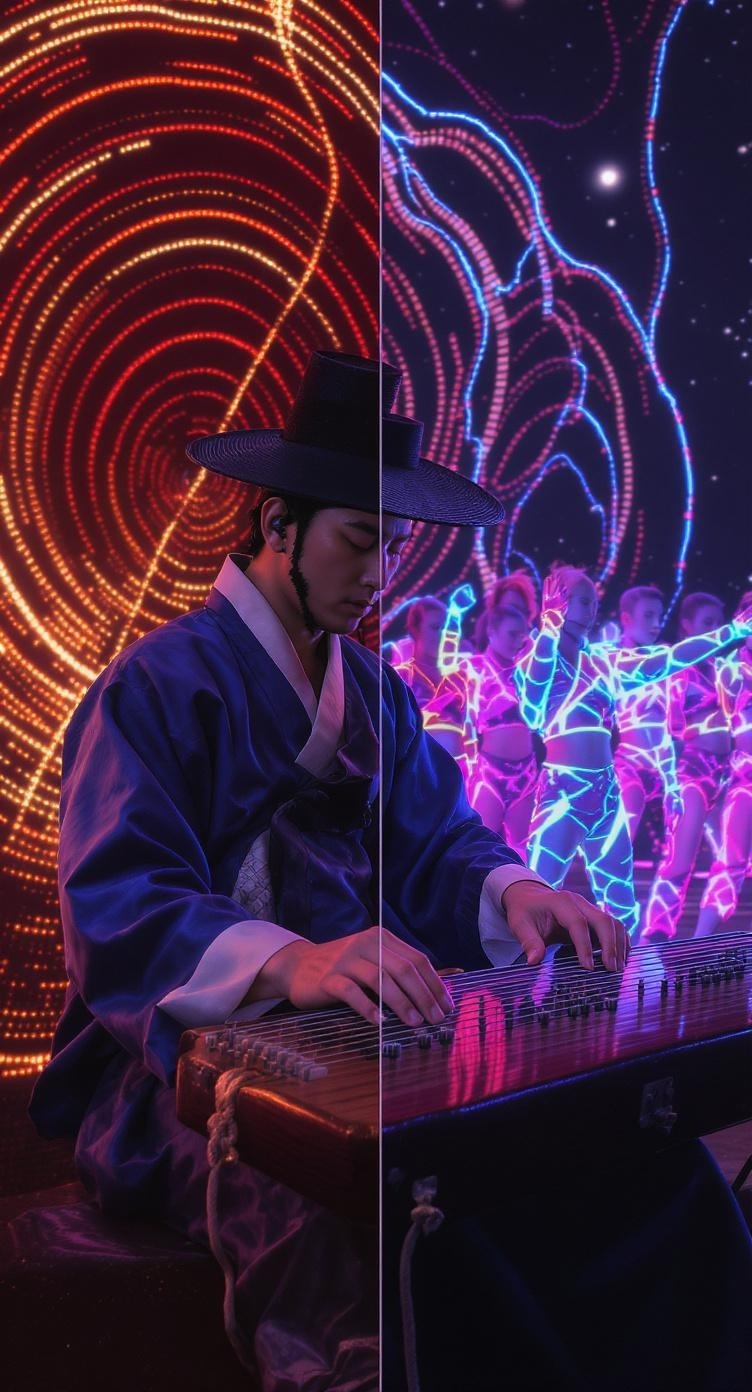
When we think about performance in music, K-Pop and traditional Korean music offer very different experiences. Traditional Korean music often features solo artists or small ensembles. These performers focus on emotional expression, connecting deeply with their audience. The music tells stories, and the emotions are palpable. Each note played on instruments like the gayageum or haegeum resonates with history and culture.
On the flip side, K-Pop takes a different route. It’s all about synchronized group dances and stunning visuals. K-Pop groups often consist of multiple members who perform intricate choreography. The energy is infectious, and the visuals are designed to captivate. Each member plays a role, and together they create a dynamic performance that keeps fans on their toes.
The contrast between these two styles is fascinating. While traditional performances invite listeners to reflect and feel, K-Pop performances are a feast for the eyes and ears. The vibrant colors, flashy outfits, and high-energy routines create an exciting atmosphere. Fans often find themselves dancing along, swept up in the moment.
Moreover, the emotional depth of traditional music can be quite profound. Performers often share personal stories through their music, making each performance unique. This intimacy is something that K-Pop, with its larger-than-life productions, may not always capture. Yet, K-Pop artists also convey emotions, albeit in a different way, often through powerful lyrics and engaging performances.
Both styles have their own charm. Traditional music connects us to the past, while K-Pop represents the modern era. Each performance tells a story, whether it’s a solo artist pouring their heart out or a group dazzling us with their choreography. This variety enriches the musical landscape of Korea.
In the end, whether you prefer the emotional depth of traditional music or the vibrant energy of K-Pop, both forms offer something special. They showcase the rich cultural heritage of Korea while also pushing boundaries and evolving with the times. It’s a beautiful blend of history and modernity that continues to inspire.
Cultural Role: Ritual, Folk Storytelling Vs. Commercial Entertainment And Fan Culture
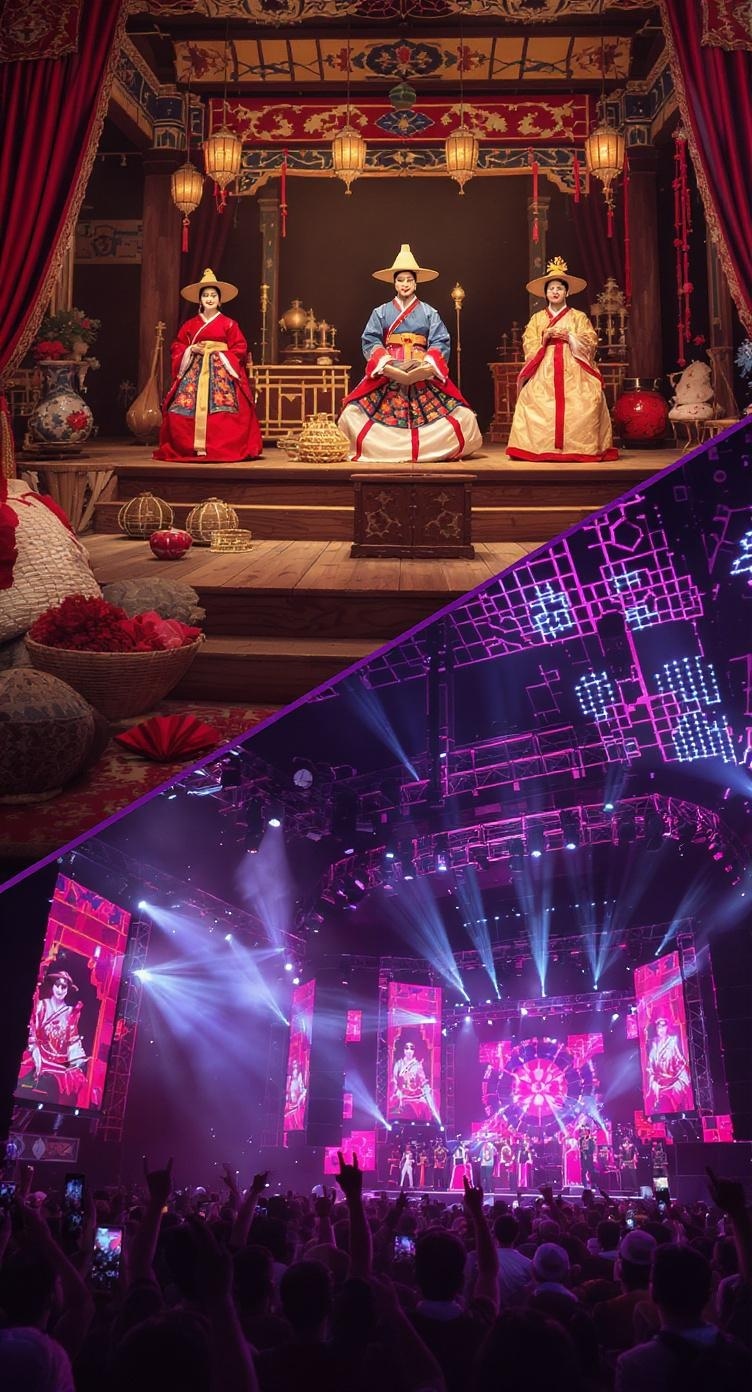
K-Pop and traditional Korean music serve different cultural roles. Traditional music often ties into rituals and folk storytelling. It connects people to their history and heritage. These performances are rich in symbolism and often occur during significant events like weddings or festivals.
On the other hand, K-Pop is all about commercial entertainment. It thrives on catchy tunes, elaborate choreography, and vibrant visuals. Fans are drawn into a world of glitz and glamour. This genre creates a unique fan culture, where followers actively engage with their favorite idols through social media and concerts.
Rituals in traditional music often involve community participation. People gather to celebrate and share stories passed down through generations. This fosters a sense of belonging and continuity. K-Pop, however, focuses on individualism. Fans often idolize performers, creating a star-driven culture that emphasizes personal connection.
Moreover, traditional music often features instruments like the gayageum or the haegeum. These instruments carry historical significance and are integral to the sound. K-Pop, in contrast, uses modern technology and production techniques. This blend of electronic sounds and traditional influences creates a fresh, dynamic listening experience.
In traditional settings, performances are often intimate and reflective. They invite audiences to connect deeply with the music and its meanings. K-Pop concerts, however, are large-scale events filled with energy and excitement. Fans cheer, wave light sticks, and sing along, creating a lively atmosphere.
Ultimately, both forms of music reflect the evolving nature of Korean culture. Traditional music preserves the past, while K-Pop embraces the future. Each genre offers a unique perspective on what it means to be Korean today, showcasing the rich diversity of the country’s musical landscape.
Similarities And Influences
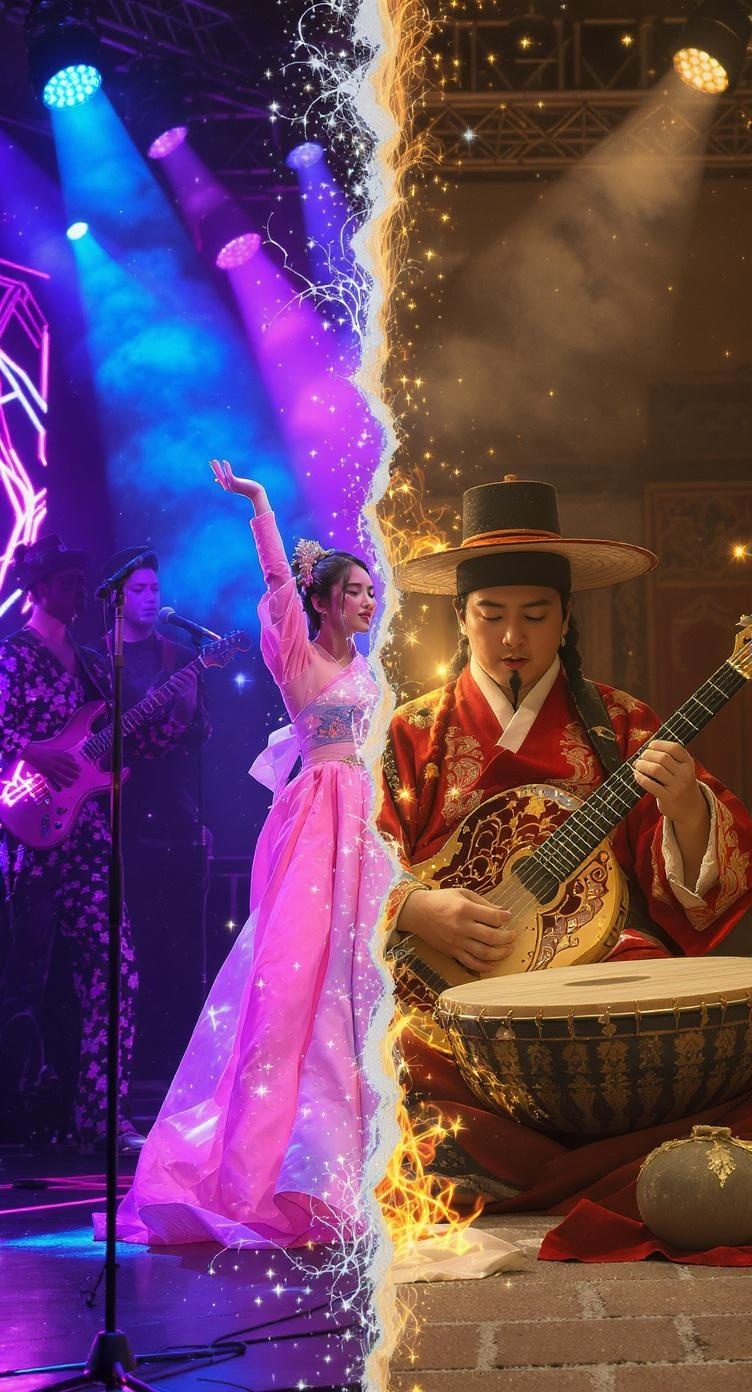
K-Pop and traditional Korean music may seem worlds apart, but they share some interesting similarities. Both styles often highlight the rich cultural heritage of Korea. Traditional music, known as gugak, has influenced modern K-Pop in various ways. For instance, the use of traditional instruments can sometimes be heard in K-Pop tracks, blending old and new.
Moreover, both genres emphasize storytelling. Traditional songs often convey deep emotions and tales from Korean history. Similarly, K-Pop lyrics frequently tell stories about love, friendship, and personal struggles. This connection helps bridge the gap between generations, allowing younger audiences to appreciate their cultural roots.
Another similarity lies in performance. Both K-Pop idols and traditional musicians put a lot of effort into their stage presence. Dance is a crucial element in K-Pop, while traditional performances often include intricate movements that reflect the music’s rhythm. This focus on performance enhances the overall experience for the audience.
Furthermore, collaboration is a common theme. K-Pop artists sometimes collaborate with traditional musicians, creating unique fusion genres. These collaborations not only introduce traditional elements to a broader audience but also keep the traditional music scene vibrant and relevant.
Lastly, both K-Pop and traditional music serve as a source of national pride. They showcase Korea’s artistic talents and cultural richness. This pride encourages artists to innovate while respecting their heritage, ensuring that both genres continue to evolve together.
Shared Emotional Depth And Rhythmic Complexity In Some Tracks
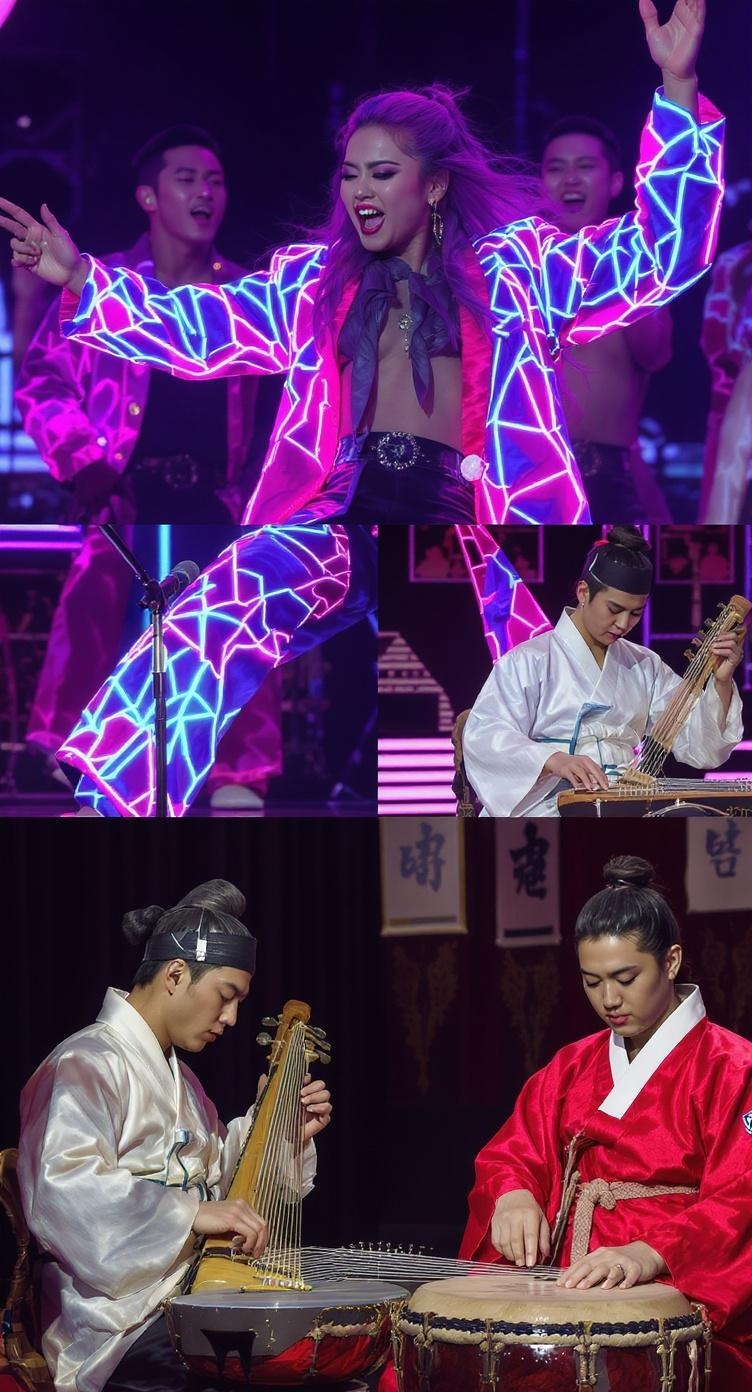
K-Pop and traditional Korean music both share a unique emotional depth that resonates with listeners. This connection often stems from their ability to convey feelings through melodies and lyrics. K-Pop artists frequently draw on personal experiences, allowing fans to relate to their stories. Traditional music, on the other hand, often reflects cultural narratives and historical events, creating a deep sense of identity.
Rhythmic complexity is another area where both genres shine. K-Pop incorporates various beats and tempos, often blending different styles to create something fresh and exciting. This experimentation keeps the music dynamic and engaging. Traditional Korean music, with its intricate rhythms, showcases a different kind of complexity. Instruments like the gayageum and janggu produce unique sounds that enhance the emotional experience.
Moreover, both styles often feature powerful vocal performances. In K-Pop, singers use their voices to express a wide range of emotions, from joy to heartbreak. Traditional music also emphasizes vocal expression, with singers often employing techniques that convey deep feelings. This shared focus on vocal delivery helps bridge the gap between the two genres.
Collaboration between K-Pop artists and traditional musicians is becoming more common. These partnerships highlight the strengths of both styles, creating tracks that resonate with a broader audience. By blending modern beats with traditional sounds, artists can evoke nostalgia while appealing to contemporary tastes.
In conclusion, the emotional depth and rhythmic complexity found in both K-Pop and traditional Korean music create a rich listening experience. Each genre, while distinct, offers something valuable that can touch the hearts of listeners. As these styles continue to evolve, their shared elements will likely inspire future generations of musicians.
Modern Gugak Fusions With K-Pop Elements
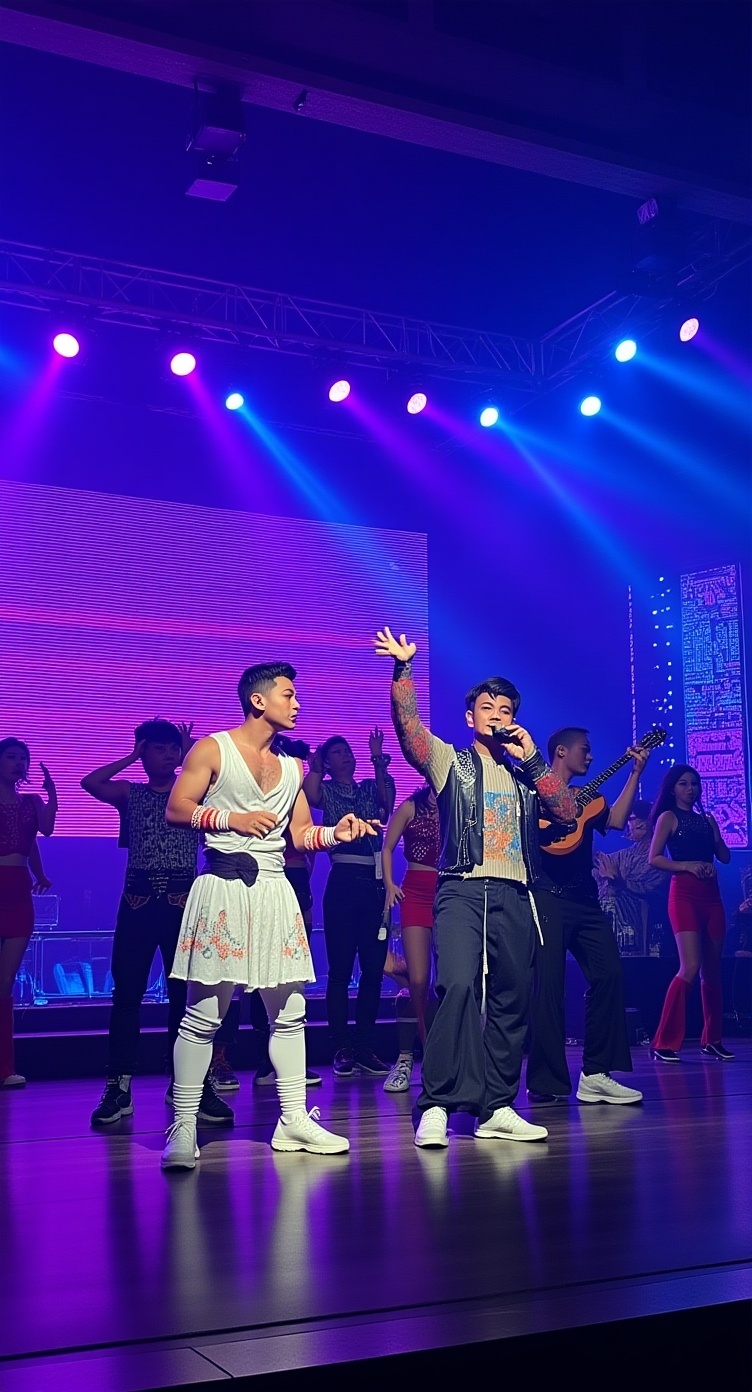
Modern gugak, or traditional Korean music, is experiencing a fresh wave of creativity by blending with K-Pop elements. This fusion brings together the rich heritage of Korean sounds with the catchy beats and vibrant visuals of contemporary pop music.
Artists are experimenting with traditional instruments like the gayageum and haegeum, integrating them into K-Pop tracks. This combination creates a unique sound that appeals to both younger audiences and those who appreciate traditional music.
Moreover, the visual aspect of performances has evolved. Traditional costumes are often reimagined with modern twists, making them more appealing on stage. This not only preserves cultural elements but also makes them relevant in today’s music scene.
Collaborations between K-Pop idols and gugak musicians are becoming more common. These partnerships showcase the versatility of both genres, allowing for innovative performances that captivate diverse audiences.
Social media plays a significant role in promoting these fusions. Clips of performances often go viral, introducing gugak to a global audience. This exposure helps bridge the gap between generations, encouraging younger fans to explore their cultural roots.
Ultimately, the fusion of modern gugak with K-Pop elements is a celebration of Korean culture. It highlights the importance of tradition while embracing the future of music. This dynamic blend is not just a trend; it’s a movement that enriches the Korean music landscape.
Cultural Impact Today
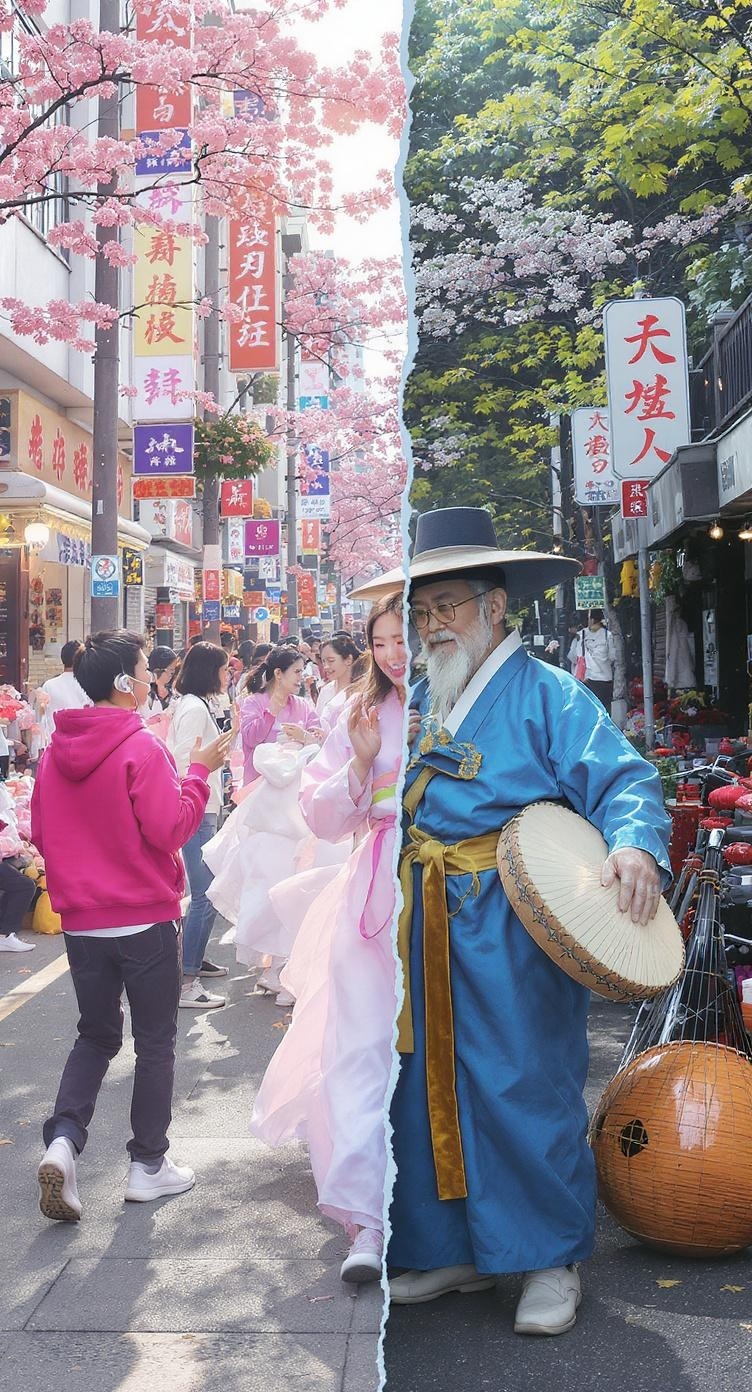
K-Pop and traditional Korean music each play a significant role in shaping Korea’s cultural identity today. K-Pop has exploded globally, attracting fans from all over the world. Its catchy tunes and vibrant performances create a sense of community among listeners. This modern genre often blends various musical styles, making it accessible and appealing to a diverse audience.
On the other hand, traditional Korean music, or Gugak, carries the weight of history and cultural heritage. It connects people to their roots and preserves ancient traditions. Instruments like the gayageum and janggu are not just tools for making music; they tell stories of Korea’s past. Events showcasing Gugak often draw crowds eager to experience the authenticity of their culture.
Interestingly, K-Pop artists sometimes incorporate elements of traditional music into their songs. This fusion highlights the versatility of Korean culture and keeps traditional sounds alive in a modern context. Fans appreciate when their favorite idols pay homage to their heritage, creating a bridge between the old and the new.
Moreover, the rise of K-Pop has led to increased interest in learning about Korea’s cultural practices. Many fans take the time to explore traditional music, dance, and art forms. This curiosity fosters a deeper understanding of Korea’s rich history and cultural diversity.
Social media plays a crucial role in this cultural exchange. Platforms like Instagram and TikTok allow fans to share their experiences with both K-Pop and traditional music. This sharing creates a global dialogue, where people from different backgrounds can appreciate and celebrate Korean culture together.
In summary, both K-Pop and traditional Korean music significantly impact cultural identity today. They offer different yet complementary perspectives on what it means to be Korean. As these genres continue to evolve, they will likely inspire future generations to explore and cherish their cultural heritage.
Conclusion
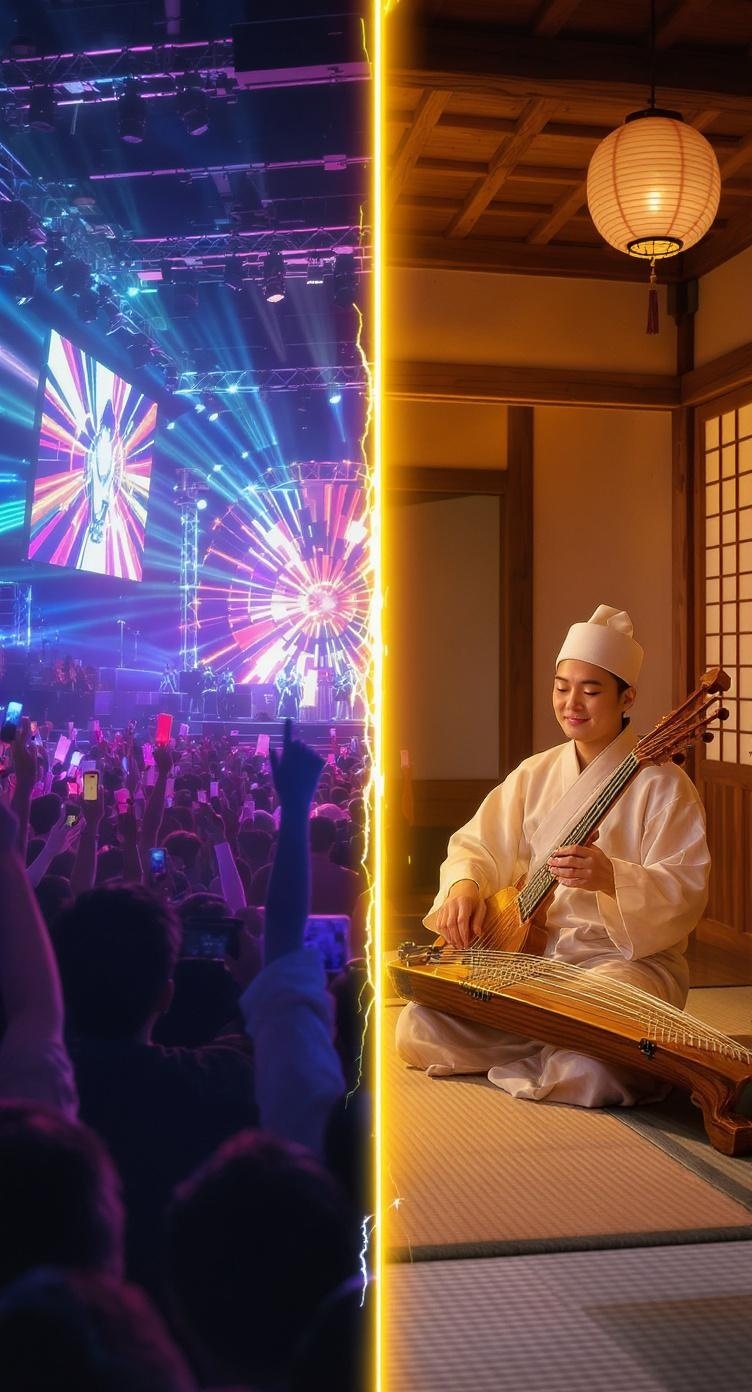
K-Pop and traditional Korean music each have their own charm and appeal. K-Pop dazzles with its modern beats, flashy performances, and global reach. It brings together diverse influences and showcases the talents of many artists, making it a vibrant part of contemporary culture.
On the other hand, traditional Korean music offers a deep connection to history and culture. Instruments like the gayageum and the sounds of pansori tell stories that resonate through generations. This music is often performed in serene settings, allowing listeners to appreciate its beauty and depth.
Both genres highlight the rich musical heritage of Korea. K-Pop may attract the youth with its catchy tunes and energetic performances, while traditional music appeals to those seeking a more profound experience. Each has its own audience and purpose, making them unique in their own right.
As we reflect on these two styles, it’s clear that they can coexist and even complement each other. Many K-Pop artists incorporate traditional elements into their music, bridging the gap between the past and the present. This fusion creates a new sound that honors tradition while appealing to modern tastes.
In the end, whether you’re dancing to the latest K-Pop hit or enjoying the soothing melodies of traditional music, both forms celebrate the spirit of Korea. They remind us of the importance of music in connecting people across different times and cultures.
So, whether you’re a fan of the high-energy K-Pop scene or the calming essence of traditional tunes, there’s something for everyone to enjoy. Each genre tells a story, and both are worth exploring.