
If you have ever watched a Korean office drama and wondered why people seem careful about where they sit, who speaks first, or how they address one another, you are noticing something real.
Korean office hierarchy seating is not just about furniture. It reflects rank, age, titles, group order, and the language of respect that shapes daily work life in the country.
Understanding it helps you read Korean workplace culture more accurately, especially beyond the clichés of strict bosses and silent junior staff.
Understanding The Korean Office Hierarchy Seating Culture
To understand Korean workplace behavior, you have to start with one basic idea: hierarchy is often made visible. In many formal Korean business settings, respect is organized through names, titles, introductions, speaking order, and sometimes even where people physically sit.
Meetings may involve a seating plan, name cards, and formal introductions. People should defer to the most senior person in greetings and decision-making.
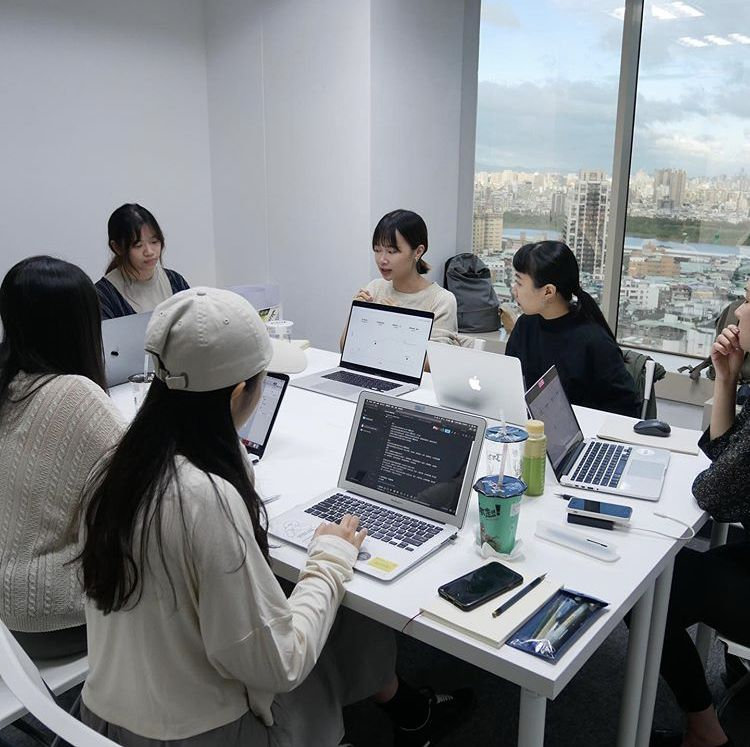
That is why Korean office hierarchy seating attracts so much curiosity. Foreigners often think that seating is a small-office habit. Still, in Korea, it can signal who leads, who supports, who speaks first, and who is expected to listen before jumping in.
In more traditional environments, the seating arrangement can quietly reveal the team’s internal logic before anyone says a word. Even when nobody explains the rule out loud, people in the room usually understand it.
It does not mean every Korean office is rigid in the same way. That would be too simplistic. Startups, tech firms, global companies, and younger teams have pushed back against older models.
Still, the older logic has long shaped Korean corporate culture, and even companies trying to become more horizontal often do so in reaction to that tradition rather than in opposition to it.
Why Seats Matter More Than Furniture
In many Western offices, a desk is just a desk. It may reflect convenience, department placement, or office design, but it does not always carry social meaning. In Korea, however, seating has often carried symbolic weight.
Korea JoongAng Daily reported that there was an older office rule in which desks were traditionally assigned from the window to the hallway according to employee and executive rank, and that where an employee sat could visibly show their place in the company.

That detail matters because it tells you that seating has historically been tied to supervision, status, and workplace order.
A seat was not only about comfort. It could imply authority, access, and visibility. When a space is structured that way, people do not just work inside a hierarchy. They see it every day.
How Rank, Age, And Role Shape Where People Sit
One reason Korean workplaces can seem hard to read to outsiders is that a single factor does not determine the rank. Job title matters. Age matters. Experience matters. Team structure matters. Sometimes these line up neatly. Sometimes they do not.
Job titles in Korea often indicate status, and addressing someone in a way that does not fit their age or position may be taken poorly. Being younger than an older colleague can create tension because workplace rank and age do not always feel equally natural within Korean social logic.
That has direct consequences for seating. A higher-ranking person is usually treated with deference. Still, older employees may also receive careful social respect even when the org chart is more complicated. It’s part of why Korean office culture can feel more layered than a simple boss-versus-staff model.
A few patterns often shape where people sit or how they behave around seating:
- Formal rank still carries the clearest authority. In meetings, people generally watch the most senior person closely because that person often guides the tone and the conclusion. Decision-making is commonly deferred to the person with the most authority.
- Age can affect social behavior even when the title decides the structure. A younger manager may still speak carefully to an older subordinate in ways that reflect Korean norms around age and respect. That does not erase rank, but it adds another layer to how people interact.
- Role affects proximity to decision-making. Someone with a mid-level leadership position may sit closer to the center of discussion than a junior specialist, even if both are technically part of the same team. In practice, seating can show who represents the team, not just who is present.
- Guests and counterparts are often positioned intentionally. Formal Korean business settings may use name cards and planned seating, which means placement itself is part of professional etiquette rather than a casual choice.
What Happens In Meeting Rooms, Team Tables, And Shared Spaces
The meeting room is where people notice hierarchy fastest. That is because meetings concentrate several Korean workplace values at once: respect, preparation, order, and controlled participation. Typically, the most senior person is greeted first, and there are specific rules for formal introductions and seating plans in business settings.
In practice, this often means people do not simply drop into the first available chair. They wait, read the room, or follow a host’s directions. The senior person may speak first, or at least frame the discussion.

Junior staff may contribute, but they often do so after someone above them has already set the room’s structure. Even silence can be meaningful. Waiting for your turn can signal attentiveness rather than passivity.
Team tables inside the office can also reflect hierarchy, though often in quieter ways. Historically, office layouts in Korea made rank highly visible, and seating could reveal who belonged closer to authority.
Some companies that are redesigning their offices deliberately changed who got the best locations. In one example, window seats were given to frontline employees. At the same time, managers and department leaders were placed in the middle, specifically to break down older barriers and create a more horizontal feeling.
That detail is important because it shows that seating in Korea still matters even when companies try to modernize. The symbolism has not disappeared. It has just been repurposed.
The Language Behind The Seating Map
One of the most useful ways to explain this topic is through language. In Korea, hierarchy is not only spatial. It is verbal. The way people speak can mirror the same rank logic as seating.
In Korean workplaces, superiors and subordinates often do not address each other on equal terms. Titles matter, and language forms shift depending on status and age.
For example, when addressing a lower-ranking superior in front of a higher-ranking one, workplace etiquette still favors respectful wording rather than overly deferential language.
It’s also why learning Korean helps people better understand office culture than do surface-level etiquette articles. You can memorize that a director sits here and a junior employee sits there, but that still will not tell you how the hierarchy actually feels in real life.
Once you start learning titles, honorifics, and workplace phrasing, the logic becomes much easier to see.
That is where you’ll need a platform like Saranghero. For a topic like office hierarchy, language learning is exactly what gives you the deeper cultural insight.
If you understand why someone says bujangnim instead of using a first name, or why speech softens around a superior, then office seating no longer looks random. It starts looking like part of a wider Korean system of respect.
What Foreign Employees Often Misread
Foreign workers often misread Korean office seating because they assume the room works by the same social rules they are used to. They may think the arrangement is old-fashioned, authoritarian, or purely ceremonial.
Sometimes it is formal, yes. But often it is also practical, relational, and meant to keep the group running smoothly.
A few misunderstandings happen again and again:
- They assume silence means a lack of ideas. In reality, junior staff may be waiting for the right moment, reading status cues, or choosing indirect language to avoid embarrassing a superior.
- They treat titles as optional. In many Korean workplaces, titles are not decorative. They indicate status, and using the wrong form of address can feel insulting rather than casual.
- They think one modern office reflects the whole country. A startup in Pangyo, a conglomerate in Seoul, and a small traditional firm may all handle seating differently. Some companies are actively flattening rank markers, while others still use them clearly.
- They read every hierarchical cue as a cue to personal distance. Sometimes, a careful seating order is less about coldness and more about creating predictability and avoiding awkwardness in a formal setting.
How Younger Companies Are Changing The Rules
Several major Korean companies have experimented with English nicknames, simplified naming systems, or broader use of the honorific -nim to reduce internal barriers and improve communication.
Efforts by major firms to abolish bureaucratic titles and encourage a more horizontal office environment.
Office design has changed, too. The spread of unassigned desks and remodeled offices moved away from older rank-based seating. There are cases where executives have given up privileged spaces, or where seating layouts reduce physical barriers between high-ranking and junior staff.
What Korean Office Hierarchy Seating Really Reveals
In the end, Korean office hierarchy seating matters because it makes an invisible social system visible. It shows how local workplaces organize respect, authority, and participation.
It can tell you who leads, who waits, who represents the team, and how carefully people are expected to manage status in shared space.
Korean workplaces are shaped by hierarchy, but also by negotiation, adaptation, and change. Traditional patterns still matter, yet modern companies are rewriting some of the rules over time.