
In South Korea, safety is not just an optional feature. It’s built into everyday living. From high-rise complexes to smaller residential buildings, security is part of how apartments function.
If you’ve ever watched a K-drama and noticed keypads, intercom screens, or strict visitor access, that’s not fiction. It reflects real-life systems.
This guide breaks down how the Korean apartment security system works today, highlighting the most common trends and why they matter.
Understanding How Korean Apartment Security Systems Work Today
The modern Korean apartment security system is designed around layered protection rather than a single line of defense. Instead of relying solely on locks or guards, most apartment complexes combine digital access, surveillance, and controlled entry points to create a secure environment.
At its core, the system revolves around three key principles:
- Restricted access at every stage
- Real-time monitoring and verification
- Convenience paired with security
Unlike many Western housing setups, where security might be optional or added individually, in Korea, it is often standardized across entire apartment complexes. This means residents don’t need to install separate systems. The infrastructure is already embedded in the building.
What makes this particularly interesting is how seamlessly these systems blend into daily life. Residents use them without thinking twice, whether it’s entering a building, receiving a package, or letting in a guest.
1. Smart Digital Door Locks Replace Traditional Keys
One of the most noticeable features of a Korean apartment security system is the widespread use of digital door locks. Physical keys are becoming rare, replaced by keypads, fingerprint scanners, and even mobile app access.
These locks are not just about convenience. They significantly reduce risks associated with lost or duplicated keys.
Common features include:
- PIN code access (often changed regularly for safety)
- Fingerprint recognition for quick entry
- Temporary guest codes for visitors
- Alarm systems for forced entry attempts
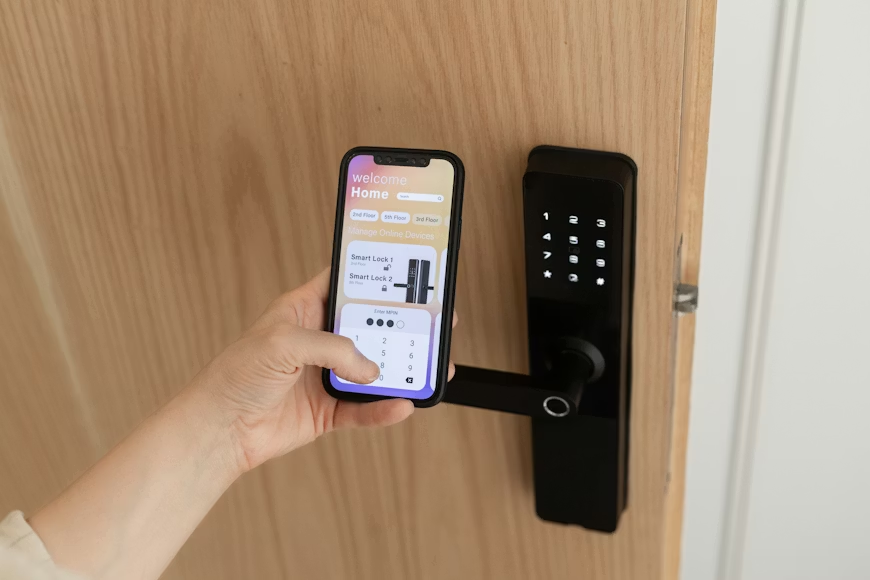
Beyond functionality, these locks also reflect a cultural preference for efficiency. Residents can enter their homes hands-free, which is especially useful when carrying groceries or packages.
Over time, these systems have become more advanced, integrating with home automation setups. Some newer apartments even allow residents to unlock doors remotely using their smartphones.
2. Building Entrance Access Is Strictly Controlled
Before you even reach your front door, the Korean apartment security system already filters who can enter the building. Most apartment complexes require one of the following for entry:
- RFID key cards
- Registered key fobs
- Password entry via keypad
- Mobile app authentication
Visitors cannot simply walk in. They must either:
- Be granted access by a resident via the intercom
- Register at a security desk (in larger complexes)
This multi-step access system ensures that only authorized individuals can enter residential areas. It also creates a sense of privacy that many residents value.
In high-end apartments, access systems are even more advanced, using facial recognition or license plate recognition for parking areas.
3. Video Intercom Systems Connect Residents And Visitors
Another defining feature of the Korean apartment security system is the in-home video intercom. This system allows residents to see and communicate with visitors before granting access.
Typically installed near the entrance of each unit, these intercom panels provide:
- Live video feed of the visitor
- Two-way audio communication
- Remote door unlocking
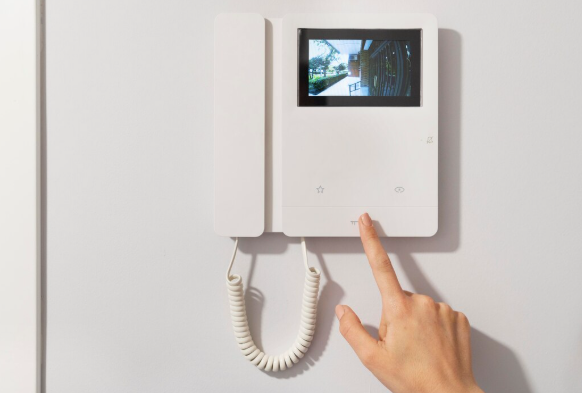
This is especially useful for deliveries, which are extremely common in Korea due to its fast-paced e-commerce culture.
Instead of opening the door mindlessly, residents can:
- Verify the identity of delivery drivers
- Give instructions (e.g., leave packages at the door)
- Decide whether to allow entry into the building
This added layer of control significantly reduces security risks while maintaining convenience.
4. CCTV Surveillance Is Extensive And Visible
CCTV cameras are a core part of any Korean apartment security system, and their presence is both extensive and highly visible. You’ll typically find cameras in:
- Building entrances and exits
- Elevators and hallways
- Parking lots and storage areas
- Garbage disposal zones
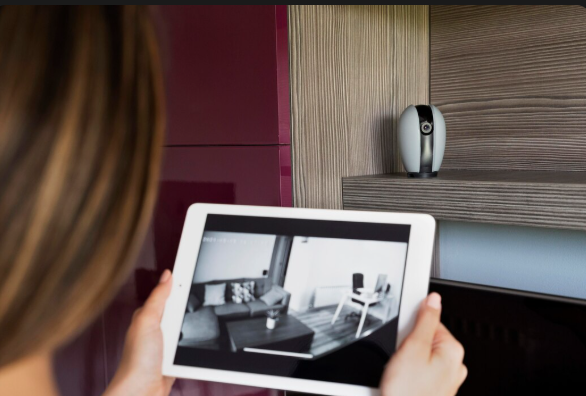
The goal here is not just monitoring. It’s deterrence. The visibility of cameras alone discourages unwanted behavior. In many cases, footage is:
- Monitored in real time by security staff
- Stored for a specific period
- Accessible for investigations if needed
Residents are generally aware of these systems, and this awareness contributes to a strong sense of collective security.
5. Security Guards And Management Offices Play A Key Role
While technology drives much of the Korean apartment security system, human oversight remains essential. Most apartment complexes have on-site security guards and a management office (관리사무소).
These personnel handle:
- Visitor verification
- Package management
- Emergency response
- Maintenance coordination
In larger complexes, guards are stationed at entrances 24/7, adding another layer of protection.
What’s unique here is how integrated these roles are with daily life. Residents often interact with management staff for routine concerns, which creates a sense of familiarity and accountability.
6. Package Delivery Systems Are Built For Safety
With Korea’s booming online shopping culture, package security has become a major focus. As a result, Korean apartment security systems often include dedicated parcel solutions. These typically come in the form of:
- Smart parcel lockers
- Secured package rooms
- Delivery drop-off zones monitored by CCTV
Delivery drivers can leave items securely without needing direct contact with residents. Meanwhile, residents receive notifications when their packages arrive.
This system solves multiple problems:
- Prevents theft or loss
- Reduces missed deliveries
- Maintains building security by limiting access
It’s a practical example of how security systems evolve based on lifestyle trends.
7. Integration With Smart Home And Mobile Systems
Modern apartments are increasingly integrating Korean apartment security systems with smart home technology. This integration allows residents to:
- Control door locks via smartphone apps
- Receive real-time alerts for visitors or deliveries
- Monitor CCTV feeds remotely (in some cases)
Some systems offer features such as lighting controls, energy management, and voice assistants. The result is a centralized system where security is just one part of a broader smart living experience.
This trend reflects Korea’s position as a global leader in technology adoption, where convenience and security go hand in hand.
What These Trends Reveal About Korean Living Culture
Looking at the Korean apartment security system, it becomes clear that these features are not random. They reflect deeper cultural values.
Security in Korea is closely tied to:
- Community trust: Systems are designed to protect everyone, not just individuals
- Efficiency: Technology minimizes friction in daily routines
- Accountability: Monitoring and access control promote responsible behavior
Rather than relying on reactive measures, Korean apartment systems focus on prevention. Every security feature, from building entry to in-home devices, works together to create a secure environment.
How Saranghero Helps You Understand These Systems Through Language
If you’re trying to fully understand how a Korean apartment security system works, language plays a bigger role than you might expect.
Many of the terms used in these systems—like:
- “관리사무소” (management office)
- “공동현관” (shared entrance)
- “택배함” (parcel locker)
—are deeply embedded in everyday Korean life.
This is where Saranghero becomes especially useful. As a language learning platform focused on Korean culture, trends, and real-life usage, it helps you go beyond textbook vocabulary.
Instead of just memorizing words, you learn:
- What are the real contexts of these terms
- How systems and culture are connected
- How to navigate everyday situations in Korea
For example, understanding how to respond to an intercom call or read delivery notifications becomes much easier when you’re familiar with the language.
Final Thoughts: Why Korean Apartment Security Stands Out
The Korean apartment security system is not just about keeping people safe. It’s about creating a seamless living experience.
From digital door locks to smart parcel systems, each feature serves a purpose while contributing to a larger, interconnected system. For anyone curious about Korean housing or planning to live there, understanding these systems offers valuable insight into how modern urban living can be both secure and efficient.