
South Korea is still associated with long study hours, strict routines, and intense academic pressure, so it makes sense that many people still ask whether students go to school on Saturdays.
The short answer is no for regular public-school scheduling, but the longer answer is more interesting. Saturday school has mostly disappeared from the formal system, yet weekend studying has never fully left Korean educational culture.
Why Saturday Classes In Korean Schools Existed In The First Place
To understand why people still talk about Saturday school, it helps to start with history. For decades, Saturday classes in Korean schools were not rumors or stereotypes.
They were part of the normal education structure. In 2005, students had traditionally gone to school every day except Sunday, and the government only began loosening that pattern by allowing one Saturday off per month.
Even then, the change was optional and depended on local education offices, which shows how deeply the six-day school model had been built into the system.
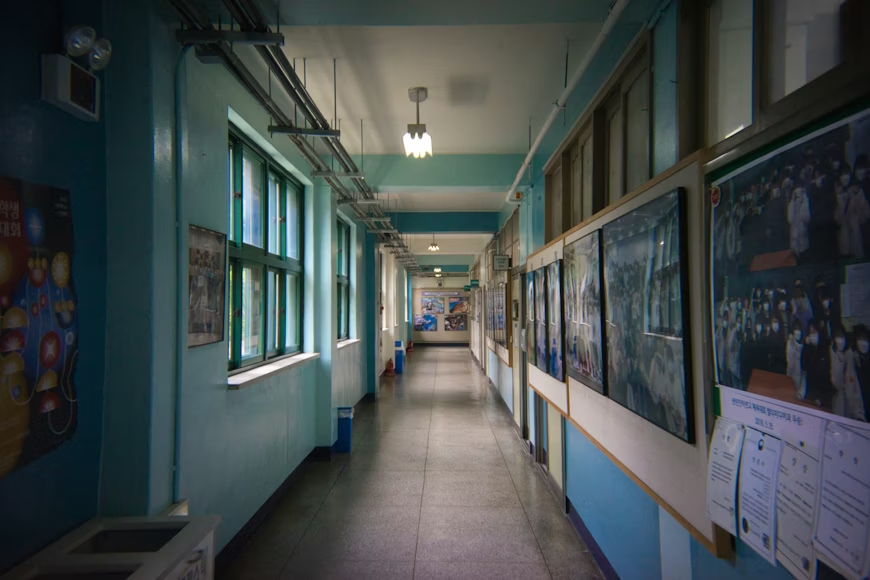
That older structure came from a postwar education culture that valued discipline, time on task, and national development. The shift away from Saturday school noted that ending Saturday classes would close a practice that had existed since the end of the Korean War in 1953.
In other words, the idea of students studying six days a week was not a small habit. It was a long-running feature of modern Korean schooling.
By the late 2000s and early 2010s, the government was already trying to align school life with broader social changes, including the five-day workweek. That is why Saturday classes in Korean schools gradually became less frequent before they were eliminated as a standard practice.
Students were already on a five-day schedule twice a month, and the government planned to implement the five-day school week from the following year fully. At that stage, the school year was also expected to drop from 205 to 190 days, closer to the OECD average.
How The Five-Day School Week Replaced The Old System
The end of regular Saturday classes did not happen all at once. It came in stages, which is why there is still confusion about whether Korean school Saturday classes are still around. The first big shift came in 2005, when one Saturday off per month was introduced as an option.
The next major turning point came in 2011. The Korea Times reported that the government had decided to implement a five-day school week from the following year.
At that point, many students were still attending school on some Saturdays, but the official direction was clear. The government wanted a shorter formal school week while keeping total class hours intact through more flexible scheduling.
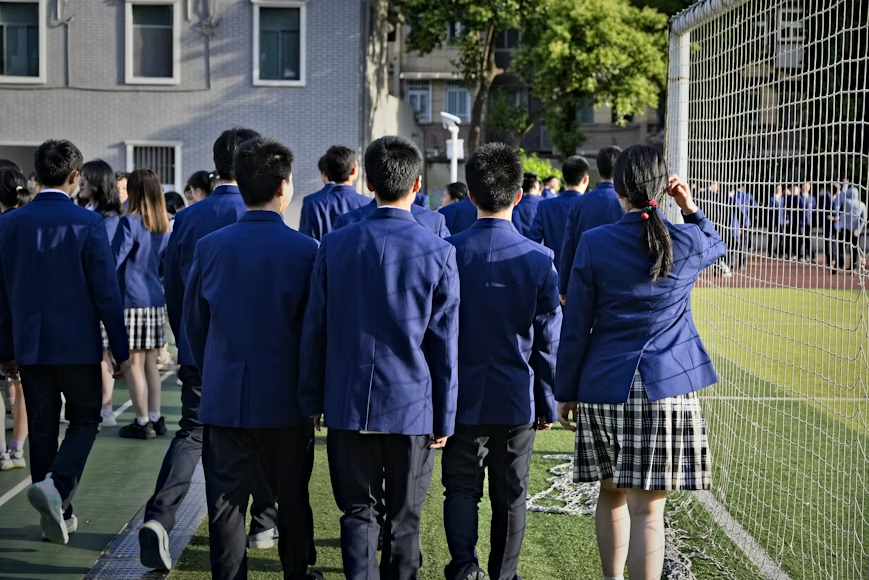
Then came the real system-wide change. News coverage in early 2012 reported that more than 99% of elementary and secondary schools would no longer hold classes on Saturdays. That matters because it shows the policy was not just theoretical.
By that stage, the overwhelming majority of schools had already shifted their routine to Monday through Friday. Saturday classes in Korean schools had moved from standard practice to something largely removed from the weekly calendar.
Even so, the policy was not fully mandatory for every school until later. In January 2019, the five-day school week would become compulsory for all schools starting in 2020.
So, Are Saturday Classes In Korean Schools Still A Thing Today?
In the formal sense, no. Saturday classes in Korean at public elementary, middle, and high schools are no longer part of the standard curriculum. The five-day school week is now the standard rule, and the long policy transition away from Saturday attendance has already been completed.
But if the question is whether Korean students still study on Saturdays, then the answer becomes more complicated.

The OECD’s 2025 Korea note says Korean students have less classroom time than the OECD average in primary and lower secondary education and often make up for that with additional learning outside school.
The same OECD material says Korean students spend significantly more time studying than peers in many other countries, which helps explain why Saturdays may still feel academic even when school buildings are officially closed for normal classes.
The best modern answer is this: Korean school Saturday classes are mostly gone as a formal school policy, but educational Saturdays still exist in practice through tutoring, self-study, test prep, and other forms of extra learning.
Why The End Of Saturday School Did Not End Weekend Studying
This is where the topic becomes more interesting than a simple yes-or-no answer. The policy changed, but the underlying educational pressure stayed strong.
OECD data show that Korea has fewer compulsory classroom hours than the OECD average in both primary and lower secondary school. Yet, students often compensate by learning outside formal school. That means the disappearance of regular Saturday attendance did not automatically create carefree weekends.
Back in 2011, even supporters of the five-day school week worried that students would shift toward more private tutoring on weekends.
Some people raised that concern and argued that extracurricular, sports, and community programs would be needed so private education would not simply take over the space left by formal school. That concern now looks very relevant in hindsight, given today’s still-high participation in private education.
What This Change Says About Korean Education Today
The story of Saturday classes in Korean schools reflects a broader tension in South Korea’s education system.
On the one hand, the state has clearly sought to modernize school life by shortening the formal school week and gradually adjusting the national curriculum. On the other side, competition, family expectations, and private education continue to shape how students actually spend their time.
How Modern Korean Education Balances Academics And Well-Being
One of the goals of Saturday classes was to improve student well-being. But balancing academics and personal life is still an ongoing challenge.
Schools today are trying to create a more balanced environment. This includes:
- Encouraging creative subjects like arts and physical education
- Promoting student participation in clubs and activities
- Reducing excessive homework loads
- Supporting mental health initiatives
There is also a growing awareness of the importance of rest and personal time. Weekends are now seen as opportunities for students to recharge, explore hobbies, and spend time with family.
However, the reality is complex. Many students still feel pressure to succeed academically, which often leads them to continue studying outside school hours.
This creates a contrast between official policies and actual student experiences. While the system has improved, the culture of high expectations remains strong.
Learning Korean Today: A Different Kind Of Commitment
If you’re interested in Korean education and culture, you don’t need to experience Korean school Saturday classes to understand the language or mindset. In fact, modern tools make learning Korean more accessible than ever.
Platforms like Saranghero help learners build a real understanding of the language. Instead of rigid schedules, learners can explore Korean at their own pace.
What makes this approach different is that it connects language with culture. Instead of just memorizing vocabulary, you learn how Koreans actually communicate in daily life.
Conclusion
So, are Saturday classes still a thing in Korea? Not in the traditional sense. While they were once a defining feature of Korean education, they have largely been phased out in favor of a five-day school week.
However, the spirit behind them hasn’t completely disappeared. Many students still spend weekends studying, often through private academies. The difference is that the structure has changed, giving students more choice and flexibility.
Understanding this evolution helps us see how education in South Korea continues to adapt. From strict Saturday classes to more balanced systems, the focus is slowly shifting toward both academic success and personal well-being.