
When people dine at a Korean restaurant for the first time, one of the biggest surprises is the table quickly filling up with small plates of food before the main dish even arrives. These dishes appear unbidden and are usually not listed on the menu. Even more surprising, they are free.
These small plates are called banchan (반찬), and they are an essential part of Korean dining culture. From kimchi to seasoned vegetables and marinated tofu, these dishes reflect centuries of culinary tradition, hospitality, and social values deeply embedded in Korean society.
In this guide, we will dive into Korean banchan culture explained in depth. We’ll explore its historical origins, cultural meaning, dining etiquette, and why Korean restaurants around the world continue this tradition today.
Understanding Korean Banchan Culture Explained in Traditional Dining
To truly understand why Korean restaurants serve free side dishes, it is important to examine Korean banchan culture through the lens of traditional meals.
In Korea, meals are rarely built around a single dish. Instead, they are structured around a shared table, with multiple small dishes accompanying rice and soup. Banchan serves as a supporting ensemble, creating balance in flavor, nutrition, and texture.
A typical Korean table might include:
- Fermented vegetables like kimchi
- Marinated bean sprouts
- Pickled radish
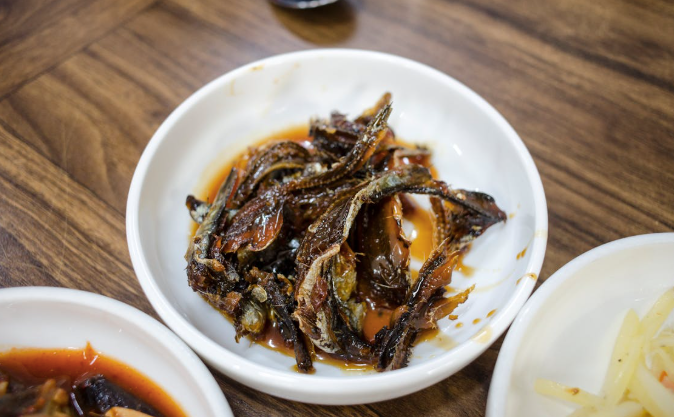
- Stir-fried anchovies
- Seasoned spinach
- Braised potatoes
These dishes are usually served in small portions but are designed to complement the main course.
Unlike Western dining, where side dishes are often optional add-ons, banchan is considered a fundamental part of the meal. A Korean meal without side dishes would feel incomplete.
The philosophy behind this dining structure reflects broader cultural values:
- Balance – meals combine vegetables, fermented foods, proteins, and grains
- Sharing – dishes are placed in the center for everyone to enjoy
- Variety – even a simple meal includes multiple flavors and textures
This system explains why Korean restaurants around the world follow the same format. When customers sit down, the restaurant recreates the structure of a traditional Korean table.
So when people search for Korean banchan culture explained, the core answer begins here: banchan is not just a side dish. It is an essential part of the local meal design.
The Historical Origins of Banchan in Korean Cuisine
The roots of banchan go back hundreds of years, long before modern restaurants existed.
During Korea’s Joseon Dynasty (1392–1897), meals were organized according to strict social structures. Royal court meals could include dozens of dishes arranged symmetrically around rice and soup.
Meanwhile, everyday households developed simpler versions of the same system using seasonal ingredients.
Because Korea has historically experienced harsh winters, preservation methods have become essential. Families relied on techniques like:
- Fermentation
- Pickling
- Salting
- Drying
These techniques gave rise to many of the banchan dishes we know today. Over time, preserved foods became standard components of Korean meals.
Another important factor was the agricultural lifestyle of Korean families. Many households prepared large batches of side dishes that could be eaten over several days. Instead of cooking an entirely new meal every time, families would combine fresh rice and soup with previously prepared banchan.
Why Korean Restaurants Serve Banchan for Free
One of the most common questions foreigners ask is simple: Why are banchan free?
In many cuisines, side dishes are separate menu items. But in Korean restaurants, they are considered part of the meal itself.
There are several reasons for this practice.
1. Banchan Is Considered Part of the Meal
In Korean dining culture, rice, soup, and side dishes together create the full meal structure.
Restaurants provide banchan because serving only the main dish would feel incomplete. It would be similar to serving a steak without any sides in Western dining.
2. Hospitality Is a Core Cultural Value
Generosity in food service is a major part of Korean culture. Offering side dishes reflects a host’s willingness to welcome guests warmly.
Restaurants maintain this tradition by placing banchan on the table immediately after customers sit down.
3. Banchan Encourages Communal Eating
Korean meals are designed for sharing. Banchan allows everyone at the table to sample multiple flavors without ordering separate dishes.
This approach encourages conversation and interaction during meals.
4. It Enhances the Dining Experience
From a restaurant’s perspective, offering small side dishes helps create a more dynamic and memorable meal.
Instead of waiting for a single dish, diners begin tasting different dishes immediately.
This system is one reason Korean dining feels lively and engaging.
When people search for “Korean banchan culture explained,” this question often comes up at the center of the discussion. Free side dishes are not a marketing tactic. They are simply the modern continuation of a long-standing cultural tradition.
The Most Common Types of Banchan You’ll See
Although Korean restaurants may serve different combinations of side dishes, several banchan appear frequently.
Each one contributes a specific flavor profile that complements the main dish.
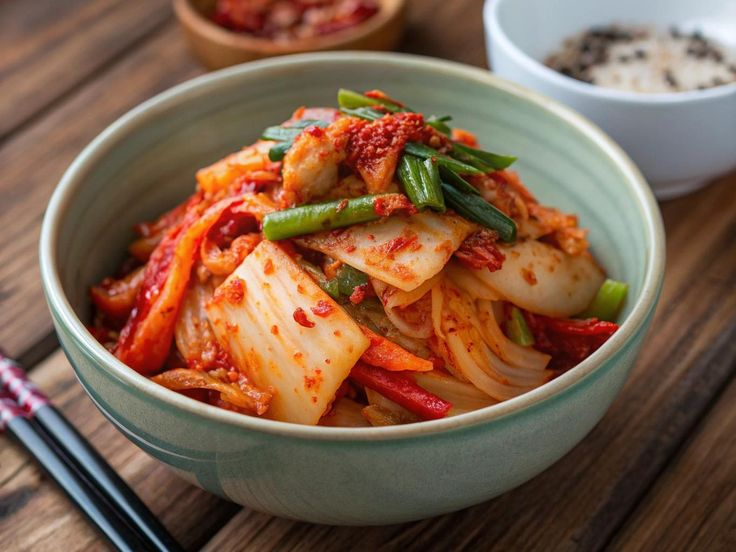
- Kimchi (김치)
Kimchi is the most recognizable Korean side dish worldwide. Made from fermented vegetables such as napa cabbage or radish, kimchi provides a spicy, tangy flavor that stimulates the appetite.
Because fermentation produces beneficial bacteria, kimchi is also known for its probiotic properties.
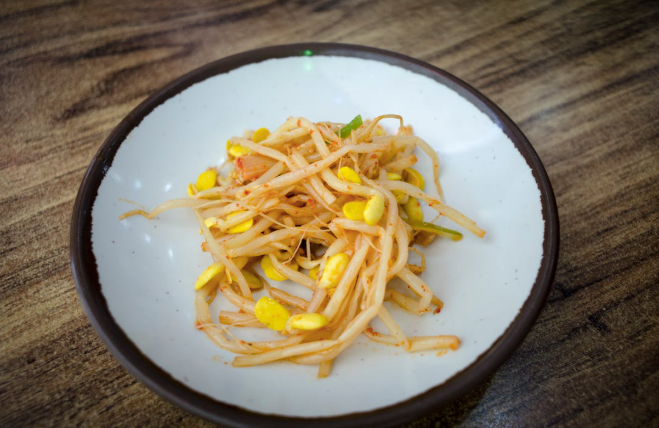
- Kongnamul (콩나물)
Seasoned soybean sprouts are a classic banchan dish. They are typically mixed with sesame oil, garlic, and salt, creating a light and refreshing side that balances heavier meats.
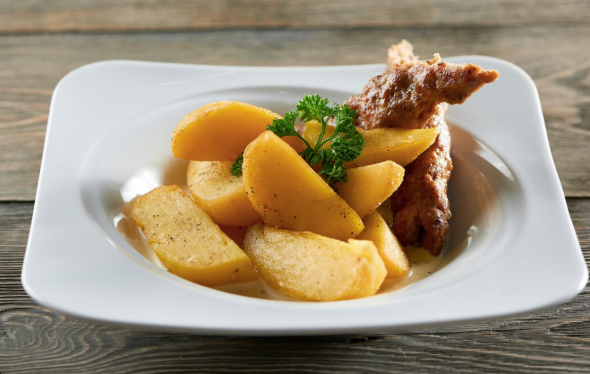
- Gamja Jorim (감자조림)
This dish features braised potatoes cooked in soy sauce and sugar until tender. The slightly sweet flavor contrasts nicely with spicy dishes like kimchi stew or grilled pork.
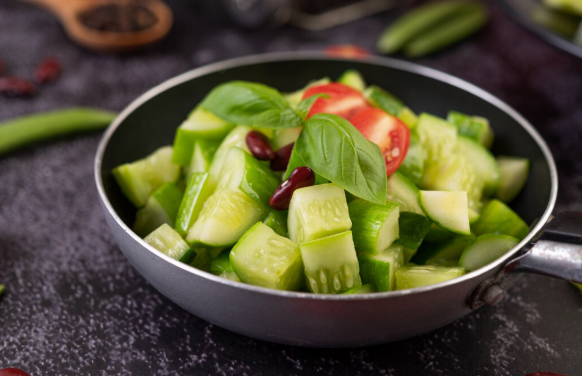
- Oi Muchim (오이무침)
Spicy cucumber salad offers a crunchy texture and refreshing taste. It often includes chili flakes, garlic, vinegar, and sesame seeds.
- Myulchi Bokkeum (멸치볶음)
Stir-fried anchovies, coated in soy sauce and sugar, add a salty, savory element. Despite their small size, they deliver intense umami flavor.
Differences Between Banchan in Korea and Abroad
If you visit Korean restaurants outside Korea, you may notice some differences in how banchan is served.
International restaurants sometimes adjust the number or type of side dishes due to cost, ingredient availability, or local dining expectations.
For example:
- Restaurants abroad may serve 3–5 banchan, while traditional Korean meals may include 10 or more.
- Some establishments limit refills to reduce food waste.
- Certain dishes are modified to suit local tastes.
Despite these adjustments, most Korean restaurants still follow the basic format of offering complimentary side dishes. This consistency shows how strongly the tradition is tied to Korean identity.
Learning Korean Culture Through Food
Food often serves as an entry point for understanding culture.
When people explore Korean cuisine, they quickly realize that meals are about much more than taste.
Banchan reflects:
- Historical preservation techniques
- Social values of sharing
- Hospitality traditions
- Balance in nutrition and flavor
For people interested in learning more about Korean culture, food customs such as banchan offer valuable insights. Platforms like Saranghero help explain these cultural details to international audiences.
By exploring topics like Korean food traditions, language expressions, and everyday customs, learners gain a deeper understanding of how culture shapes daily life in Korea.
In this sense, Korean banchan culture, as explained through cultural education, becomes part of a broader journey into Korean society.
Final Thoughts
The next time you sit down at a Korean restaurant and see small plates of food appear before you order anything, you’ll know there is much more behind the gesture than simple generosity.
Banchan represents centuries of culinary tradition, historical food preservation, and cultural values centered on sharing and hospitality. What seems like free side dishes is a carefully preserved dining tradition that reflects how Koreans approach food and community.