
If you’re planning a trip to South Korea, understanding Korean dining etiquette will completely change how you experience meals.
In Korea, food is not just about eating. It reflects hierarchy, respect, family values, and social harmony. What may seem like small gestures, where you sit, when you lift your spoon, how you pour drinks, carry meaning.
Many tourists worry about making mistakes at the table. The good news? Koreans are generally understanding toward foreigners.
Still, knowing the basics of Korean dining etiquette shows effort and respect, and that effort goes a long way. This guide breaks down 15 important dos and don’ts so you can dine confidently, whether you’re at a traditional restaurant, a street food stall, or someone’s home.
Understanding the Importance of Korean Dining Etiquette
Before diving into specific rules, it helps to understand the bigger picture. Korean dining etiquette is rooted in Confucian values, which emphasize respect for elders, harmony within the group, and awareness of hierarchy. Meals are not just about food. They’re social rituals.
Unlike some Western dining cultures where individual preference is central, Korean meals focus on sharing. Dishes are placed in the center of the table. Everyone participates. There’s a rhythm to how people eat, pour drinks, and speak.
If you make a mistake, don’t panic. Most Koreans understand that visitors are learning. What matters most is effort and sincerity. Showing that you care about proper behavior already earns respect.
Now, let’s break down key rules you should know.
1. Wait for the Eldest Person to Start Eating
One of the most important aspects of Korean dining etiquette is hierarchy. Age plays a significant role in social interactions, especially at the table.
If you are dining with someone older, you should wait until they lift their spoon or say “Let’s eat” before you begin. Starting before them can be seen as impatient or disrespectful.
This rule applies in:
- Family meals
- Business dinners
- Casual gatherings with older friends
Even if you are extremely hungry, hold back. The pause may only last a few seconds, but it shows cultural awareness and courtesy.
2. Use Both Hands When Pouring or Receiving Drinks
Drinking etiquette in Korea is detailed, especially in social settings. When pouring alcohol for someone older, always use both hands. Typically, you hold the bottle with your right hand and lightly support your wrist or forearm with your left.
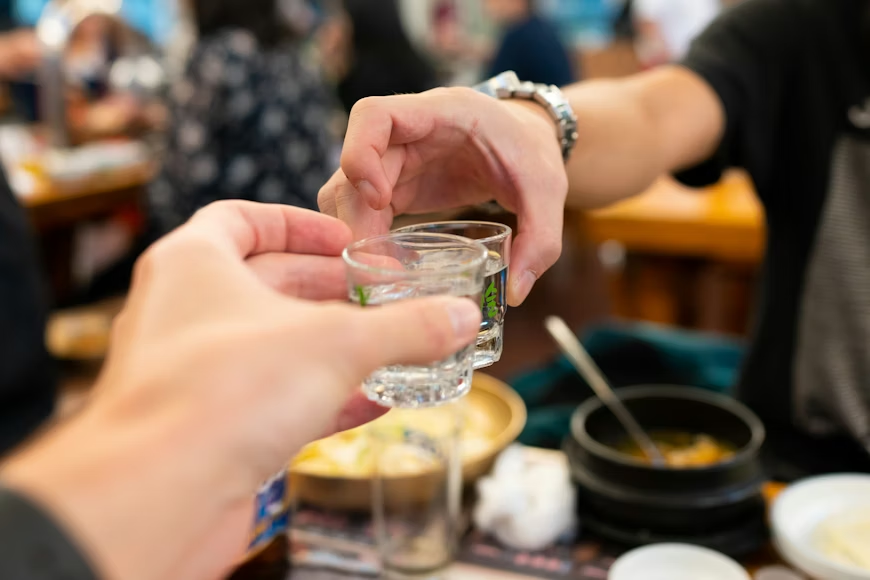
When receiving a drink from someone older, hold your glass with both hands as well. This gesture symbolizes humility and respect. It’s subtle but powerful.
If you’re drinking with someone significantly older:
- Slightly turn your head away when taking a sip
- Avoid maintaining direct eye contact while drinking.
These actions are small signs of deference.
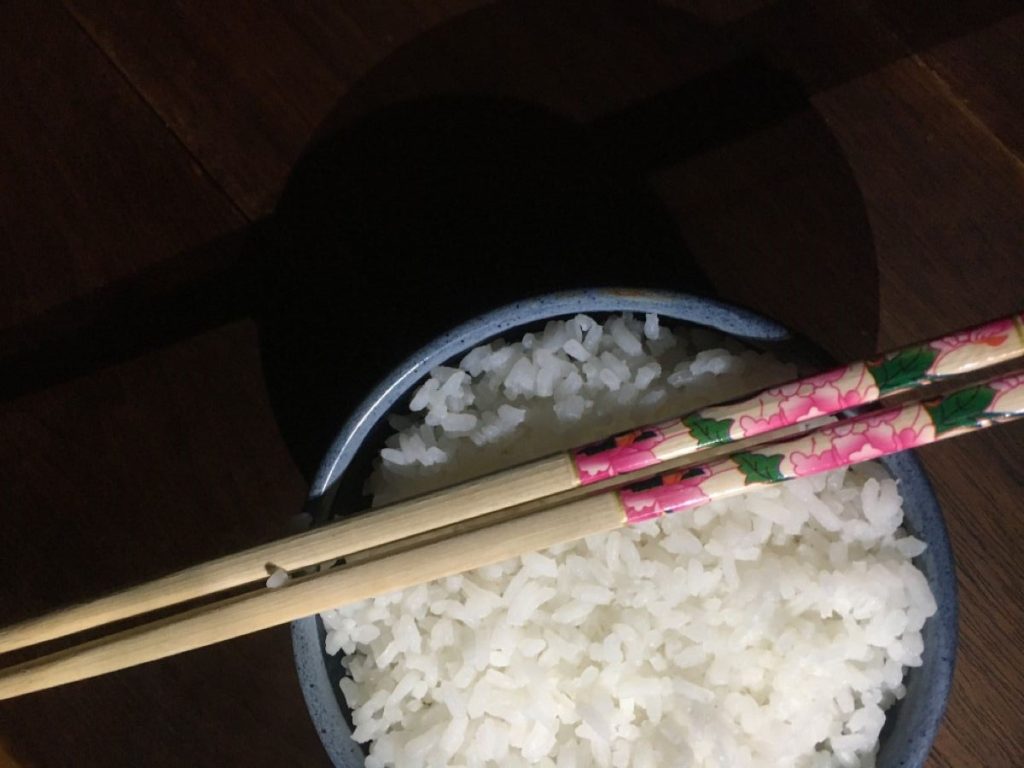
3. Do Not Stick Chopsticks Upright in Rice
This is one of the most commonly mentioned Korean dining etiquette rules, and for good reason.
Sticking chopsticks straight up into a bowl of rice resembles a ritual performed at funerals to honor the deceased. Doing this during a regular meal can make others uncomfortable.
Instead:
- Place chopsticks neatly on the chopstick rest
- Lay them across your bowl
- Rest them on the side of your plate
Being mindful of symbolic gestures is part of understanding cultural nuance.
4. Do Not Lift Your Rice Bowl
In some Asian cultures, lifting your rice bowl closer to your mouth is normal. In Korea, however, this is generally discouraged.
Traditionally, the rice bowl stays on the table while you eat. You use your spoon for rice and soup, and chopsticks for side dishes.
Lifting the bowl may look unusual or overly casual. Keeping it on the table aligns with Korean dining etiquette standards.
5. Use the Spoon for Rice and Soup
Korean table settings usually include both a spoon and metal chopsticks. Unlike some neighboring countries, spoons play a central role.
You use:
- Spoon for rice
- Spoon for soup and stews
- Chopsticks for side dishes and meat
Switching constantly between utensils might feel unfamiliar at first, but it becomes natural quickly. Avoid using chopsticks to scoop rice unless necessary.
6. Do Not Blow Your Nose at the Table
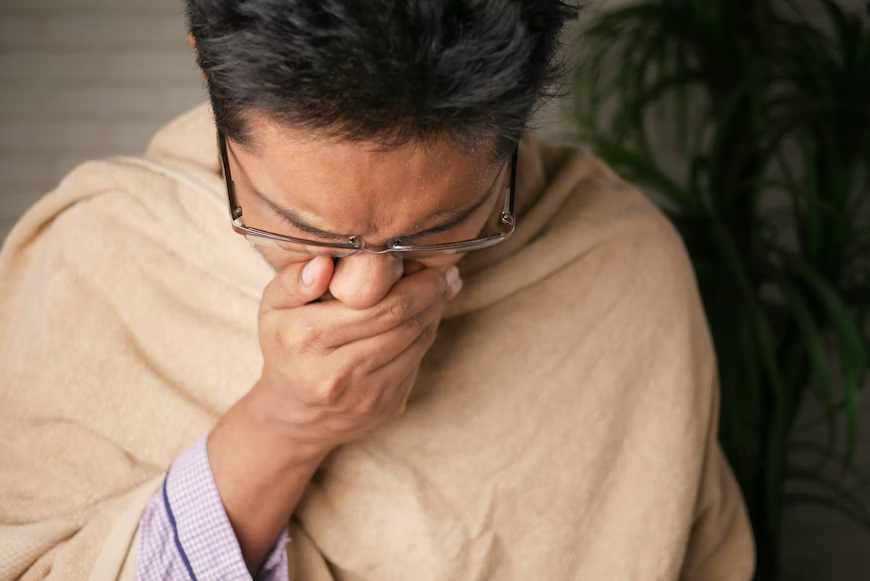
If you need to blow your nose, excuse yourself and step away from the table.
Blowing your nose while others are eating is considered impolite in Korea. It disrupts the shared dining atmosphere. A quick “Excuse me” before stepping away is enough. Returning calmly and resuming the meal shows awareness and respect.
7. Try a Little of Everything
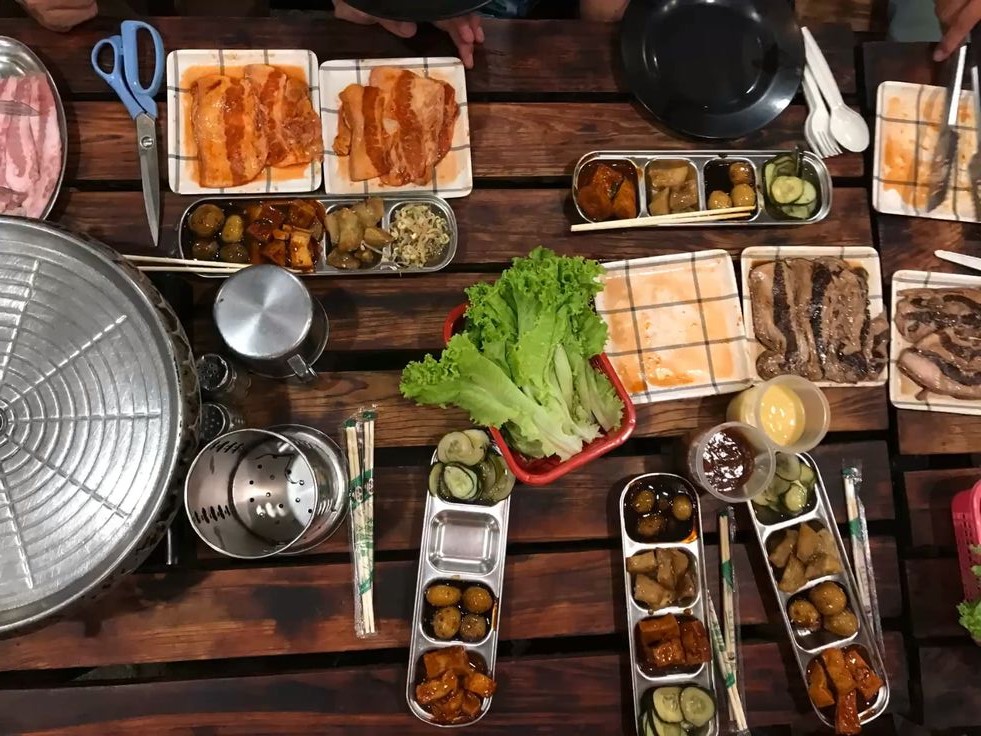
Korean meals often include multiple banchan (side dishes). Refusing everything except one or two dishes may come across as uninteresting. You don’t have to finish everything, but it’s polite to try at least a small amount.
If you have dietary restrictions, explain. Koreans are generally accommodating when they understand the reason.
Part of Korean dining etiquette is participating in the shared experience. Tasting different dishes signals appreciation.
8. Don’t Pick Through Shared Dishes
Since meals are communal, you will take food from shared plates. However, avoid digging through dishes to find your preferred piece.
Instead:
- Take the portion closest to you
- Avoid touching food you won’t take
- Use serving utensils if provided
Careful behavior around shared plates reflects consideration for others.
9. Avoid Making Loud Eating Noises
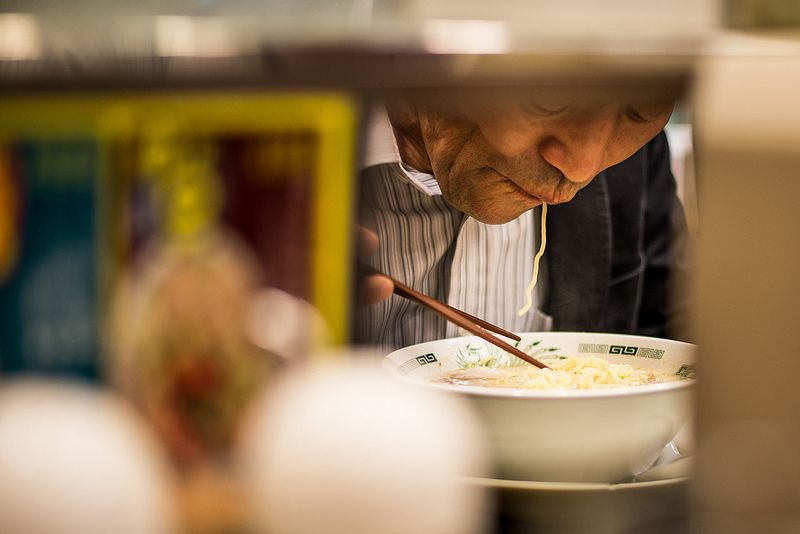
While slurping noodles loudly is acceptable and sometimes encouraged in Japan, Korean dining etiquette leans toward quieter eating. Excessive slurping or loud chewing may be perceived as impolite.
That said, complete silence isn’t required. Conversation during meals is normal and encouraged. The key is moderation.
10. Say “Jal Meokgetseumnida” Before Eating
Before beginning a meal, it’s customary to say “잘 먹겠습니다” (jal meokgetseumnida), which loosely translates to “I will eat well.” After finishing, you say “잘 먹었습니다” (jal meogeosseumnida), meaning “I ate well.”
These phrases express gratitude to the person who prepared the meal.
Even as a tourist, attempting these phrases shows effort. Korean dining etiquette is deeply connected to gratitude.
11. Don’t Start Drinking Before Others
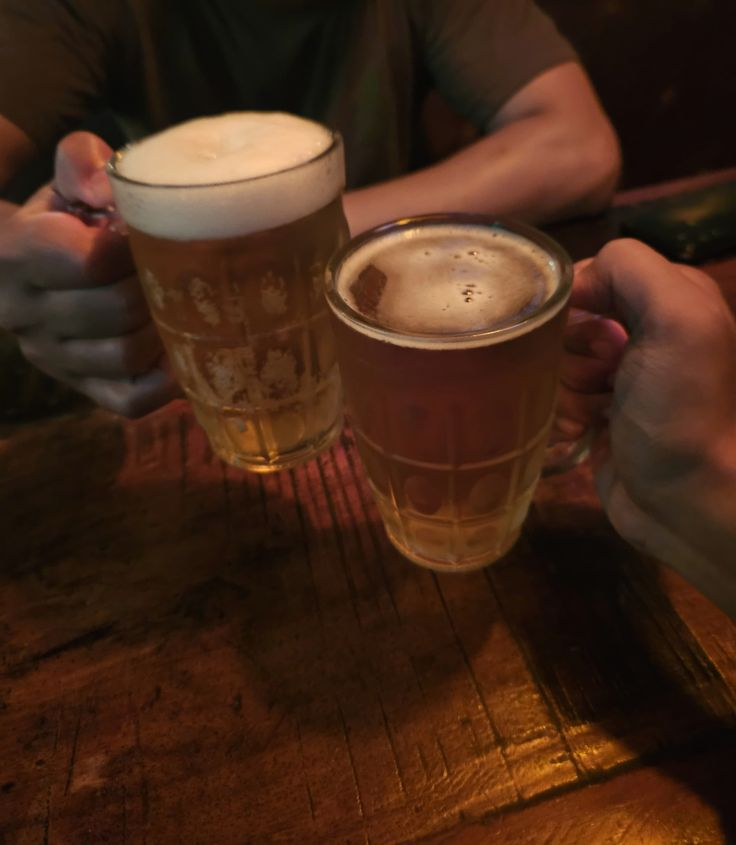
When alcohol is involved, wait for a group toast before taking your first sip. It’s common to hear “Geonbae!” (Cheers). After glasses are raised together, everyone drinks. Drinking alone before the toast may seem out of sync with the group.
12. Offer to Pay (Even If You Don’t Expect To)
Among friends, there is often a polite “bill battle.” Offering to pay shows generosity. In business or elder settings, the senior person often insists on paying. Participating respectfully aligns with Korean dining etiquette and social courtesy.
13. Follow Seating Hierarchy
At formal dinners, seating arrangements often reflect rank or age. The most honored seat is typically farthest from the door. As a guest, wait to be directed to your seat. Don’t automatically choose the most central or prominent seat.
Observing seating order shows that you understand Korean dining etiquette beyond just food behavior.
14. Don’t Pour Your Own Drink First
In Korean social settings, especially when alcohol is involved, you usually pour for others rather than yourself. This encourages attentiveness and group bonding.
If your glass is empty, someone else will likely refill it. If you notice someone’s glass is empty, offer to pour them a drink.
15. Hold Bowls Properly When Drinking Soup
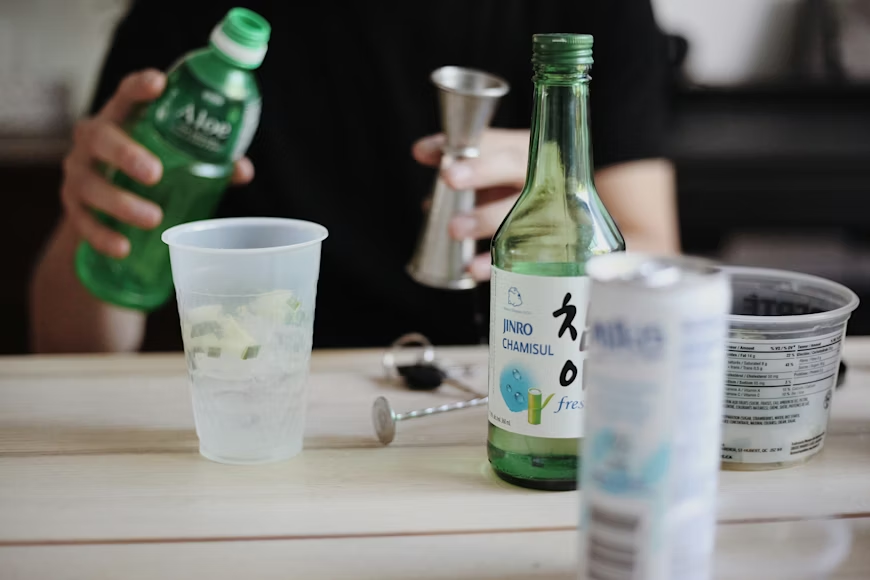
Soup bowls typically remain on the table. Use your spoon to drink from it rather than lifting the entire bowl to your mouth.
This differs from some Chinese customs, where lifting the bowl is common. In Korea, keeping dishes on the table maintains neatness and formality.
Final Thoughts
Learning Korean dining etiquette can feel overwhelming at first. You may worry about making mistakes or unintentionally offending someone. That anxiety is normal, especially in cultures where hierarchy and manners are deeply rooted.
Want more cultural deep dives like this? Explore more guides on Saranghero to better understand Korean traditions, daily life, and modern culture before your next adventure.