
If you’ve watched enough K-dramas, you’ve probably seen perfectly fried eggs, golden toast, and bubbling kimchi jjigae laid out on the table before the characters rush off to school or work.
However, real Korean mornings are a lot more diverse than that. From steaming rice and soup at home to convenience store kimbap and trendy café brunch, there’s a wide range of Korean breakfast ideas that locals actually rely on every day.
In this guide, we’ll walk through what a traditional Korean breakfast looks like, how younger Koreans are mixing it with modern and Western-style options, and what’s popular in homes, cafés, and convenience stores right now.
5 Traditional Korean Breakfast Ideas Worth Trying
Traditional breakfasts tend to be warm, savory, and built around rice. Even when the meal is simple, it often hits all the comfort notes: something hearty, something fermented or tangy, and something brothy.
If you grew up with soup-based breakfasts, these Korean breakfast ideas will feel familiar fast.
1. Rice, Soup, and Banchan
This is the “default” traditional setup: a bowl of rice, a soup or light stew, and a few small side dishes. It doesn’t have to be a huge spread. In many homes, breakfast is built from leftovers or meal-prepped banchan that’s already in the fridge.
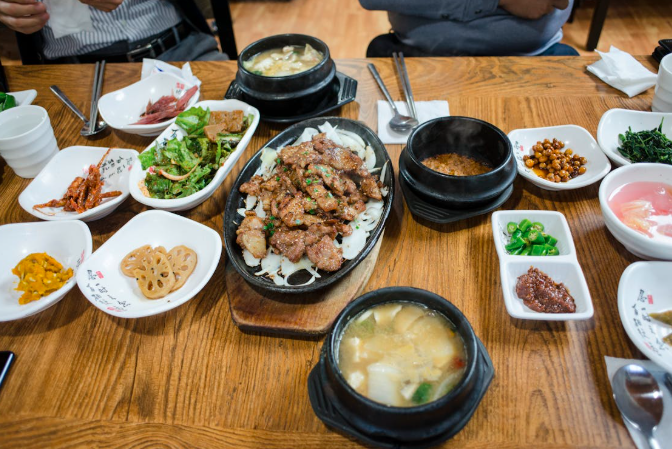
What makes this style feel uniquely Korean is the balance of temperatures and flavors. Rice is neutral. Soup is warming. Banchan adds contrast, like spicy kimchi, sweet stir-fried anchovies, or seasoned spinach.
How it usually looks
- A bowl of bap (steamed rice)
- A soup like miyeok-guk (seaweed soup) or doenjang-guk (soybean paste soup)
- 2 to 4 banchan, often including kimchi
Easy banchan picks that don’t require chef-level skills:
- Kimchi (store-bought is totally fine)
- Seasoned spinach (sigeumchi-namul)
- Pan-fried tofu with soy sauce drizzle
- Rolled omelet slices (gyeran-mari)
- Roasted seaweed sheets (gim)
2. Juk (Korean Rice Porridge)
Juk is a soft rice porridge that Koreans often eat when they want something soothing. It’s common for breakfast, especially when you’re tired, stressed, or not feeling 100%. You’ll see savory versions (like abalone or chicken) and slightly sweet versions (like pumpkin).
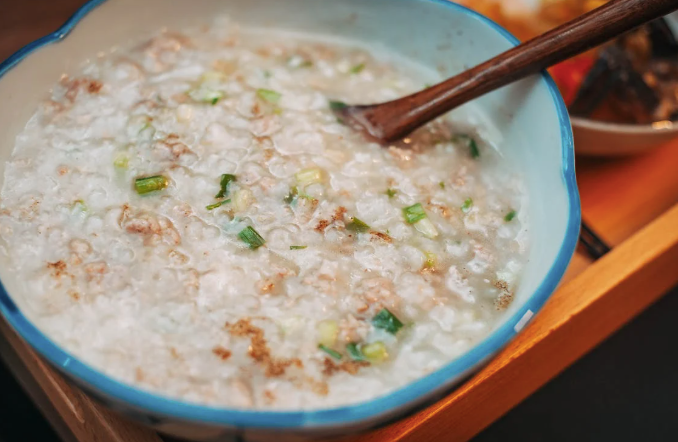
Juk is also one of the best Korean breakfast ideas for people who don’t love heavy breakfasts. It’s warm and filling, but it doesn’t feel greasy or overly rich.
Common types
- Hobak-juk (pumpkin porridge): mildly sweet, creamy texture
- Dak-juk (chicken porridge): savory, gentle, classic comfort
- Jeonbok-juk (abalone porridge): more premium, often eaten for nourishment
Koreans often use leftover rice to make this dish, then simmer it in water or broth until it breaks down. To add flavor and variety, you can also consider shredded chicken, salted seaweed, or a drizzle of sesame oil.
3. Seolleongtang or Gomtang (Beef Soup + Rice)
Seolleongtang (milky beef bone soup) and gomtang (clearer beef soup) are iconic Korean comfort foods. They show up at breakfast tables because they’re warm, nourishing, and easy to eat quickly. Many people grab them from restaurants. Still, you can also buy decent packaged versions at Korean grocery stores.
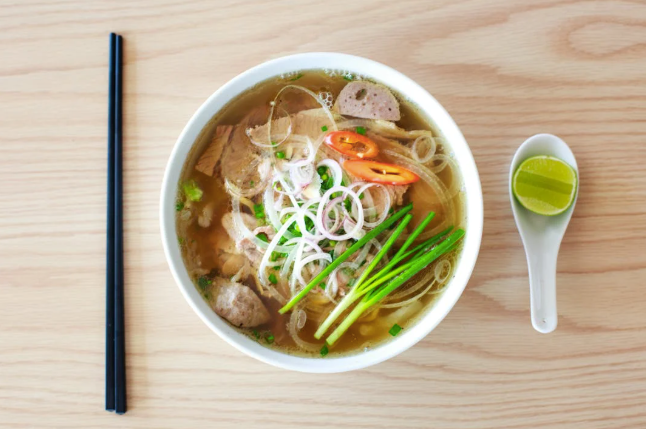
Traditionally, these soups are served with rice either in the bowl or on the side. You season it yourself at the table, which is part of the charm.
How to eat it as Koreans do
- Add salt and pepper to taste
- Add chopped scallions if you have them
- Eat with rice and kimchi on the side
4. Kimchi Jjigae or Doenjang Jjigae (Stew + Rice)
Korean stews are breakfast-appropriate in many homes because they reheat beautifully and taste even better the next day. Kimchi jjigae is spicy, tangy, and deeply satisfying. Doenjang jjigae is earthy, salty, and comforting in a different way.
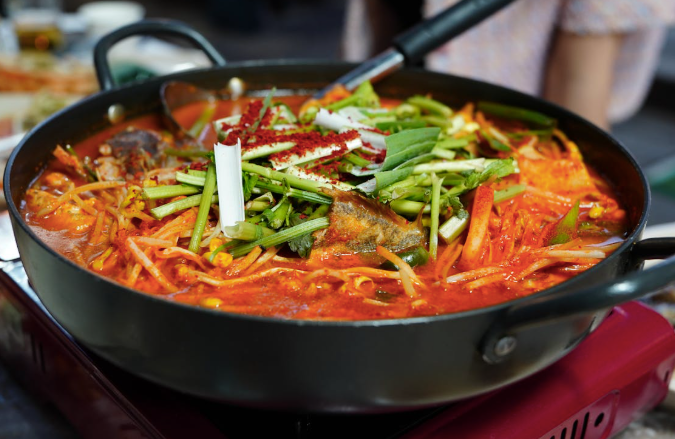
This is where Korean breakfast culture surprises many newcomers. A stew at 8 a.m. can sound intense until you realize it’s basically the same logic as chili or soup for breakfast. Warm, filling, and fast.
5. Gyeran-bap (Egg Rice) with Sesame Oil and Kimchi
Gyeran-bap is one of the simplest traditional breakfasts, and it’s popular because it’s fast and comforting. The basic idea is hot rice topped with an egg, soy sauce, sesame oil, and sometimes butter. Then you add kimchi on the side for bite and acidity.
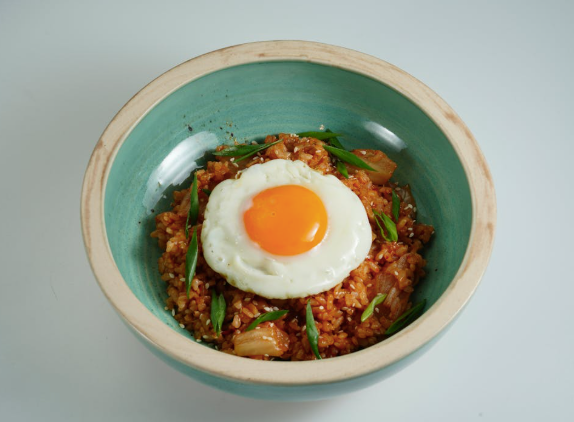
This is a great gateway option if you’re exploring Korean breakfast ideas but don’t want to prep multiple dishes.
Basic build
- Hot rice
- Fried egg or soft scrambled egg
- Soy sauce (a little goes a long way)
- Sesame oil
- Sesame seeds
- Optional: gim strips, scallions, a tiny bit of butter
5 Modern Korean Breakfast Ideas: Trendy, Fast, and Often Portable
Modern Korean breakfasts reflect the pace of city life. Think: commuting, school schedules, convenience stores on every block, and café culture that’s basically a lifestyle. These ideas tend to be quicker, more handheld, and more influenced by Western breakfast patterns.
6. Korean Street Toast (Gilgori Toast)
Korean street toast is sweet, savory, and made to eat on the go. The signature version includes a buttery, toasted sandwich with a cabbage-egg omelet, sometimes with ham, and a drizzle of ketchup and sugar. That sweet-salty combo is exactly what makes it addictive.
Classic components
- Toasted bread with butter
- Egg mixed with shredded cabbage and carrots
- Ham or bacon (optional)
- Cheese slice (common)
- Ketchup
- A sprinkle of sugar
7. Egg Drop Style Fluffy Egg Sandwich
Egg Drop is a popular sandwich style in Korea known for soft, fluffy scrambled eggs, brioche-like bread, and sauces that make it feel indulgent. Even if you don’t have the exact brand, you’ll see similar café sandwiches all over.
Typical build
- Soft, sweet bread or brioche
- Super fluffy eggs (often cooked low and slow)
- Cheese
- Optional: avocado, bacon, shrimp patty
- Sauce like mayo-based or sweet mustard
8. Café Breakfast: Pastry or Yogurt Bowl + Americano
Korea’s café culture is huge, especially in cities. A very common modern breakfast is coffee plus something light, like a croissant, a cream bread, or a yogurt bowl. It’s less about a heavy meal and more about something that fits a busy morning rhythm.
What you’ll commonly see
- Iced Americano (year-round, yes)
- Croissant, soboro bread, or simple pastry
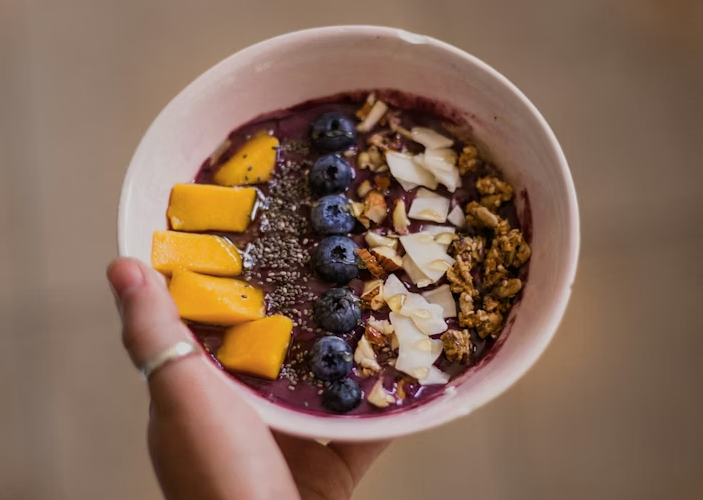
- Yogurt bowl with fruit and granola (in more modern cafés)

This is one of the most realistic Korean breakfast ideas if you’re trying to mirror how many younger Koreans actually eat on weekdays.
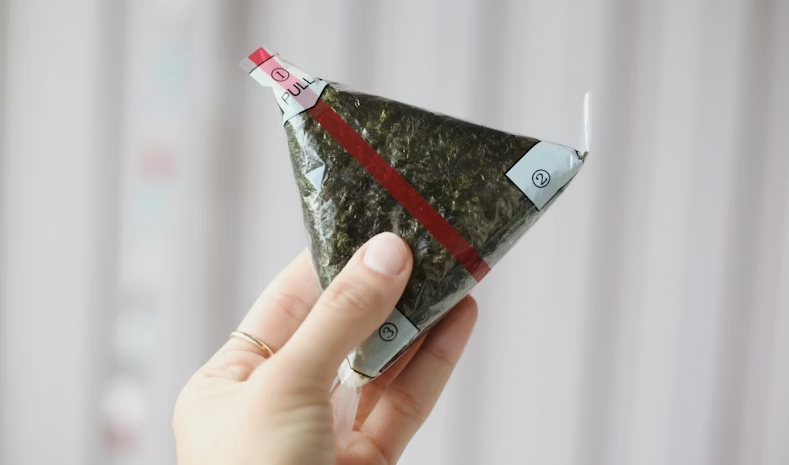
9. Triangle Kimbap + Drink
Korean convenience stores are built for quick meals. Breakfast often looks like a triangle kimbap (samgak kimbap), a small gimbap roll, or even a microwavable rice bowl. Pair that with coffee, milk, or banana milk, and you’ve got a very normal modern Korean morning.
Easy convenience store-style combos to recreate:
- Triangle kimbap + iced coffee
- Small gimbap roll + milk or soy milk
- Rice bowl (cup bap) + bottled tea
10. Protein-Forward Bowls and Oats
Modern Korean breakfasts are increasingly influenced by fitness culture and global wellness trends. That means more Greek yogurt, protein shakes, fruit bowls, and overnight oats, especially among young adults.
Is it “traditional Korean food”? Not really. Is it a real modern Korean breakfast pattern? Yes, especially in cities and among people who want something quick and macro-friendly.
Common builds
- Greek yogurt + granola + fruit
- Overnight oats with honey and banana
- Protein shake + boiled eggs
- Simple salad bowl + chicken (for late breakfast or brunch)
Final Thoughts
Korean breakfasts aren’t locked into one format, and that’s what makes them so fun to explore. Some mornings call for the warmth of rice, soup, and banchan. At the same time other days are better suited to café toast, convenience-store kimbap, or a quick yogurt bowl that still feels current in modern Korea.
If you’re collecting Korean breakfast ideas, the best approach is to mix and match based on your schedule and cravings, then keep a few easy staples on hand so breakfast stays realistic on busy weekdays.
For more Korean food guides and culture-related content, head over to Saranghero’s blog and browse our latest posts.