
If you have ever visited a Korean home or watched a Korean drama, you may have noticed something immediately. Everyone removes their shoes before stepping inside.
For many Koreans, wearing shoes indoors is considered uncomfortable, unhygienic, and even disrespectful. This practice is deeply rooted in Korean culture and reflects how people view cleanliness, personal space, and daily living.
It connects to Korea’s traditional architecture, floor-based lifestyle, hygiene standards, and cultural values that emphasize respect for shared living spaces.
In this article, we will explore five key cultural and practical reasons why Koreans don’t wear shoes inside the house, and how this tradition continues to influence modern Korean living today.
Understanding Why Koreans Don’t Wear Shoes Inside the Home
Before diving into the specific reasons, it helps to understand the broader cultural context behind why Koreans don’t wear shoes inside their homes.
In Korean society, the home is viewed as a clean, private space that should remain separate from the outside world. The outdoors brings dust, pollution, and bacteria, while the home represents rest, family time, and comfort.
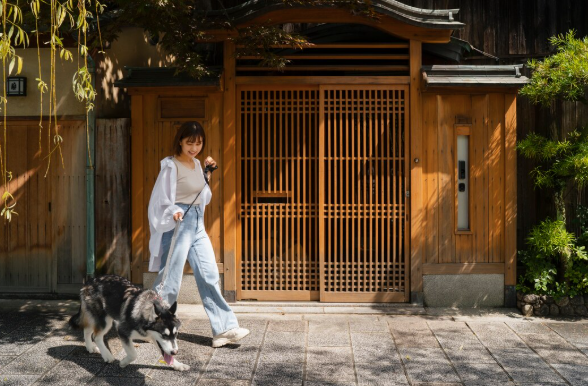
This concept is reflected in the layouts of traditional Korean houses and modern apartments. Nearly every home includes a designated entryway called a “hyun-gwan”, where people remove their shoes before stepping onto the raised indoor flooring.
Some important aspects of this custom include:
- Shoes are removed immediately upon entering the house
- Indoor slippers may be worn inside the home
- Floors are often used for sitting, sleeping, and eating
- Cleanliness is strongly associated with comfort and respect.
Because of these factors, the practice of removing shoes indoors has become one of the most recognizable elements of Korean daily life.
1. Korean Homes Are Designed for Floor Living
One of the biggest reasons Koreans don’t wear shoes indoors is that traditional Korean life revolves around the floor.
Historically, Korean houses known as hanok were designed with heated floors called ondol. Instead of using chairs or high furniture, families would sit, eat, and sleep directly on the floor. Even today, many Korean homes still incorporate this lifestyle to some extent.
Because the floor functions as a living space, keeping it clean is extremely important. Wearing outdoor shoes inside would quickly introduce dirt and debris into the area where people relax and sleep.
Modern Korean apartments may include beds and sofas, but floor-based living is still common in many situations. For example:
- Families often sit on the floor to eat meals at low tables
- Children play directly on the floor
- Bedding such as yo (Korean floor mattresses) may be used
- Guests may sit on floor cushions during gatherings.
If people walked inside with shoes, these activities would become uncomfortable and unsanitary. This is a major reason why Koreans don’t wear shoes inside their homes, even in contemporary settings.
In many ways, Korean homes are designed with the assumption that the floor will remain clean enough for everyday activities.
2. Hygiene and Cleanliness Are a Major Priority
Another key reason why Koreans don’t wear shoes inside is hygiene.
Outdoor shoes collect a surprising amount of dirt and bacteria. Streets, sidewalks, public transportation, and restrooms all expose footwear to contaminants. Bringing those shoes into the house would transfer these substances directly onto the floor.
Korean culture places strong emphasis on maintaining a clean living environment, especially given how frequently the floor is used.
Some common hygiene concerns include:
- Dust and pollution from urban streets
- Mud and debris from rainy weather
- Bacteria from public areas
- Chemicals or oils from road surfaces
By requiring shoes to be removed at the entrance, Koreans effectively prevent most contaminants from entering the home.
3. It Shows Respect for the Household
In Korea, removing shoes is not just about cleanliness. It is also a gesture of respect.
Entering someone’s home is considered entering their private space. By taking off your shoes, you acknowledge the homeowner’s effort to maintain a clean environment.
Failing to remove shoes can be seen as careless or even rude in certain situations.
When visiting a Korean home, the expectation is very clear. Guests should automatically remove their shoes upon entering unless the host specifically says otherwise.
Some etiquette guidelines include:
- Remove shoes neatly at the entrance
- Turn them outward so they face the door
- Avoid stepping onto the clean floor with outdoor footwear
- Use indoor slippers if they are provided
These small gestures reflect a broader cultural value in Korea: showing consideration for others. If you want to learn more about Korean trends and culture, check out our resources at Saranghero.
4. Korean Homes Are Structured Around the Entryway
Architecture also plays a major role in explaining why Koreans don’t wear shoes inside.
Most Korean homes feature a lowered entry area called the hyun-gwan. This space serves as a transition zone between the outdoors and the indoors.
The floor level of the hyun-gwan is usually slightly lower than the main living area. This design encourages people to remove their shoes before stepping up into the house.
Typical features of the entryway include:
- A shoe cabinet or rack
- A step-up platform leading to the living space
- Storage for umbrellas and outdoor items
- Slippers available for indoor use
Because this architectural layout is so common, it naturally reinforces the habit of removing shoes.
Even modern apartment buildings in Korea continue to include this design feature. It acts as a visual reminder of the cultural rule and helps maintain the tradition across generations.
5. It Promotes Comfort and Relaxation
Comfort is another important factor behind why Koreans don’t wear shoes inside.
Shoes can feel restrictive after a long day of walking or commuting. Removing them immediately upon entering the house allows people to relax and feel at ease.
Many Koreans associate taking off their shoes with transitioning from public to private life.
Some comfort-related benefits include:
- Feet can breathe and rest after wearing shoes all day
- Indoor slippers feel softer and lighter
- The home environment feels calmer and more relaxed
- Floors remain comfortable for sitting or lying down.
This psychological shift is subtle but meaningful. The moment someone removes their shoes, they mentally transition into a more relaxed state.
For this reason, many Koreans feel uncomfortable wearing shoes in their own homes or in other people’s homes.
Do All Korean Homes Follow This Rule?
Although the tradition remains extremely common, there are a few situations where the rule may be slightly relaxed.
For example, certain workplaces or commercial spaces may allow shoes indoors. However, even in these environments, people may still switch to indoor shoes.
Examples include:
- Some offices provide indoor slippers
- Schools often require indoor shoes
- Daycare centers enforce strict shoe removal policies.
In private homes, however, the expectation remains almost the same.
Visitors should assume that shoes must be removed unless the host says otherwise, because the tradition is so deeply ingrained in Korean culture that most people grow up following it from childhood.
Final Thoughts
Understanding why Koreans don’t wear shoes indoors offers a fascinating glimpse into Korean values of cleanliness, comfort, and respect.
This simple household rule is connected to many aspects of Korean life, including traditional architecture, hygiene practices, and social etiquette. From the heated floors of hanok houses to modern apartment entryways, Korean homes are designed around the expectation that shoes stay outside.
The practice also reflects a broader cultural philosophy: the home should remain a clean and relaxing sanctuary separate from the outside world.
For visitors to Korea or fans of Korean culture, recognizing customs like this can make interactions with local households more comfortable and respectful.